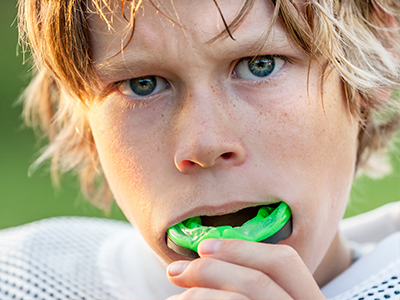
Sports-related impacts contribute to a large share of dental and facial injuries each year. Players in contact sports, as well as those in activities with hard projectiles or high-speed falls, routinely face the risk of broken teeth, lacerated soft tissue, and even jaw trauma. A well-fitting mouthguard acts as a first line of defense by absorbing and redistributing force, helping to reduce the severity of many common injuries.
Beyond the obvious protection for teeth, mouthguards also help shield lips, cheeks, and the tongue from being cut by teeth during a blow. For adolescents and children—whose jaws and dentition are still developing—this protective function is especially important. Even in non-contact sports, unexpected collisions or slips can produce significant oral damage, so prevention through appropriate gear is a smart choice for players at all levels.
When athletes and parents understand how simple protective measures can reduce long-term dental consequences, they make better choices about on-field safety. Educating patients about the realistic risks of dental trauma is an essential part of keeping a team healthy—and preserving smiles for years beyond the final whistle.
There are three common categories of mouthguards available: stock (ready-to-wear), boil-and-bite, and custom-made devices crafted by a dental professional. Stock guards are preformed and come in standard sizes; they are inexpensive and immediately available but tend to be bulky and offer limited fit. Boil-and-bite options soften in hot water, allowing the wearer to press them to the teeth for a better fit than stock models, but their adaptability is still constrained by the generic molds used in manufacturing.
Custom mouthguards are constructed from impressions taken of a patient’s teeth and bite. Because they are made from precise dental records, these guards provide a more intimate fit and improved stability during activity. A close fit not only increases comfort—encouraging consistent use—but also enhances protective performance by minimizing movement that can transmit force to the teeth and jaw.
Choosing between these types depends on the athlete’s level of play, dental needs, and comfort priorities. While off-the-shelf options can be a stopgap, custom appliances are generally favored for organized sports and athletes who demand the best combination of fit, protection, and breathability.
Custom mouthguards are fabricated from a model of the patient’s teeth, which allows the dental laboratory to create a device that follows the contours of the arch precisely. This tailored approach reduces bulk, improves retention, and can be designed to accommodate specific needs—such as added protection in vulnerable areas or a slimmer profile for easier communication and breathing during play.
Materials and layering techniques used in custom guards can also be optimized for durability and shock absorption. Technicians can vary thickness in targeted zones to enhance cushioning where impacts are most likely, while keeping other areas thin for comfort. The result is a mouthguard that balances protection with functionality, which is especially valuable for competitive athletes and those with previous dental work.
Because they are fitted by a dental team, custom mouthguards also allow clinicians to evaluate bite relationships and advise on any oral health considerations before fabrication. This professional oversight helps ensure the device performs as intended and integrates safely with the patient’s existing dental condition.
Orthodontic appliances and restorative dental work change how a mouthguard should fit. Patients with braces require guards that provide extra coverage to protect both the teeth and the appliance itself, minimizing the risk of lacerations and damage from direct blows. A custom mouthguard can be designed to account for brackets and wires so that it remains secure without exerting harmful pressure on orthodontic components.
Similarly, patients who have crowns, bridges, or implants may need a design that accommodates restorative margins and avoids excessive force on prosthetic elements. Properly fabricated guards protect the natural teeth while minimizing stress on dental work, preserving both function and longevity.
For young athletes, ongoing dental development means guards should be reassessed periodically. As jaws and tooth positions change, the fit and protective properties of a mouthguard can be compromised. Regular check-ins with a dental professional ensure that the device remains effective and comfortable throughout growth phases.
Maintaining a mouthguard is straightforward but important. Rinse it with cool water after each use, allow it to air dry before storing it in a ventilated container, and clean it periodically with mild soap and a soft brush. Avoid exposing the guard to high heat or leaving it in direct sunlight, as these conditions can warp the material and reduce protection.
Regular fit checks are essential—especially after an impact, orthodontic adjustments, or noticeable wear. A guard that shifts, develops cracks, or feels uncomfortable no longer delivers reliable protection and should be evaluated by a dental professional. For younger players, seasonal inspections are a good habit because changes in dentition can happen quickly.
When replacement is necessary, patients in the San Jose area can rely on consistent professional guidance to select the appropriate option and ensure the replacement device is fitted correctly. Proper care and timely replacement help preserve the guard’s protective benefits and support sustained athletic participation with reduced risk.
In summary, sports mouthguards are a practical, proven way to minimize dental and facial injuries for athletes of all ages. Custom-fitted appliances offer the closest fit and the most consistent protection, while store-bought options can serve as temporary solutions. If you have questions about the best mouthguard for your situation or need a professional fitting, contact the office of Suezaki Family Dentistry to learn more and schedule an evaluation. We’re here to help you protect your smile while you play.
Sports mouthguards are flexible devices designed to fit over the teeth and absorb impact during athletic activity. They distribute and reduce the force of blows to the mouth, lowering the chance of broken teeth and dental fractures. By stabilizing the jaw and cushioning direct hits, mouthguards also help reduce the risk of more extensive facial and jaw injuries.
In addition to protecting teeth, mouthguards shield the lips, cheeks, and tongue from lacerations caused by teeth during collisions. They are particularly important for children and adolescents whose jaws and dentition are still developing. Using a properly fitted guard is a proactive step that improves safety for athletes at every level.
Three main categories of mouthguards are stock (ready-to-wear), boil-and-bite, and custom-made devices fabricated by a dental professional. Stock guards are inexpensive and immediately available but often fit poorly and can be bulky. Boil-and-bite guards offer improved fit compared with stock models because they can be molded after heating, yet they remain limited by generic shapes.
Custom-made mouthguards are produced from impressions or digital scans of a patient’s teeth and provide superior fit, retention, and comfort. Because they stay more securely in place, custom guards reduce movement that would otherwise transmit force to the teeth and jaw. For athletes who play organized sports or require the highest level of protection, a custom guard is generally the preferred option.
Custom mouthguards differ from off-the-shelf options primarily through their individualized fit, which is based on precise dental impressions or scans. This tailored fit reduces bulk and improves retention so the appliance stays in place during rapid movement. Better retention also encourages consistent use because the device feels more comfortable during play.
Laboratory techniques used for custom guards allow technicians to vary material thickness and layering in targeted zones to enhance shock absorption where it is needed most. These materials are selected for durability and resilience so the guard maintains protective properties over time. Professional fabrication and clinician oversight ensure the device is integrated safely with any existing dental work.
The process of making a custom mouthguard typically begins with a clinical evaluation of the teeth and bite, followed by impressions or a digital scan taken in the dental office. The dental laboratory uses these records to craft a device that matches the contours of the arch precisely. Patients often return to the office for a try-in so the fit and comfort can be assessed.
At delivery the clinician checks retention, occlusion, and any pressure points, making minor adjustments as needed before the athlete takes the device home. The team also provides clear instructions on use, cleaning, and storage to preserve the guard’s performance. Follow-up visits may be scheduled to reassess fit after orthodontic treatment or significant dental changes.
Athletes with braces need mouthguards that provide extra coverage to protect soft tissues and to cushion impacts to brackets and wires. A custom design can be made to accommodate orthodontic appliances while avoiding harmful pressure on moving teeth. Properly designed guards minimize the risk of lacerations and appliance damage during collisions.
Similarly, patients with crowns, bridges, or implants benefit from a mouthguard that accounts for restorative margins and avoids placing excessive force on prosthetic elements. The clinician will evaluate the bite and prosthetic conditions to determine the most appropriate design. Periodic reassessment ensures continued protection as restorations age or the occlusion changes.
Caring for a mouthguard is simple but essential to maintain hygiene and function. Rinse the device with cool water immediately after each use to remove saliva and debris, then allow it to air dry before storing it. Clean it regularly with mild soap and a soft brush or with products recommended by your dental team. Store the guard in a ventilated case away from direct sunlight and heat.
Avoid exposing the mouthguard to high temperatures, such as hot water or direct sunlight, because heat can warp the material and compromise fit. Do not chew on the guard or use harsh chemicals for cleaning, as these actions can damage the device. Inspect the appliance frequently for cracks, thinning, or changes in fit that indicate diminished protection. If you notice damage or a change in fit, stop using the device and consult your dental provider.
Replace a mouthguard if it develops cracks, tears, or obvious thinning, or if it no longer fits securely after an impact. Changes in fit, uncomfortable pressure, or loosening after orthodontic adjustments are signs that the device may no longer provide adequate protection. For children and adolescents, regular replacement is often necessary because growth and tooth eruption rapidly alter fit. Relying on a worn or ill-fitting guard increases the risk of dental injury.
After a significant blow to the face or jaw, have the mouthguard and your oral structures evaluated by a dental professional even if damage is not immediately apparent. In San Jose, patients can schedule an evaluation with Suezaki Family Dentistry to confirm whether replacement or adjustment is needed. Timely assessment helps ensure the guard continues to perform as intended.
Mouthguards are most commonly associated with contact sports such as football, hockey, rugby, boxing, and martial arts, where direct blows to the face are likely. They are also advisable for sports that involve fast-moving projectiles or collisions, such as baseball, lacrosse, and soccer. Even in activities traditionally considered non-contact, like skateboarding or mountain biking, falls can result in significant dental trauma. Selecting appropriate protective gear for the specific risks of a sport helps reduce preventable injuries.
Many youth and adult leagues require mouthguards for player safety, but athletes at all levels benefit from wearing one during practice and competition. Coaches and parents should evaluate the risk profile of each sport and encourage consistent use. A properly fitted mouthguard is a simple measure that supports long-term dental health.
A properly fitted mouthguard is designed to allow normal breathing and clear speech while remaining stable during play. Low-bulk custom guards in particular can be shaped to preserve airway space and facilitate communication on the field. Most athletes adapt quickly to wearing a well-designed device without measurable impact on performance.
If breathing or speech is noticeably impaired, the guard may be too thick or improperly positioned and should be adjusted by a clinician. Custom fabrication allows selective thinning in noncritical areas to improve comfort without sacrificing protection. Regular evaluation ensures the balance between safety and functional performance is maintained.
To obtain a custom sports mouthguard, schedule an evaluation with the dental team to review your medical and dental history and perform an oral examination. The office will take impressions or scans and discuss design options tailored to your sport, dental work, and comfort preferences. Once fabricated, the guard is tried in and adjusted so the fit, retention, and breathing are optimized.
Suezaki Family Dentistry is located at 250 Montclair Ave, Suite C, San Jose, CA 95116 and can be reached by phone at (408) 251-0547 to arrange an appointment. The practice can counsel athletes and parents about appropriate protective strategies and follow-up care. Regular check-ins ensure the mouthguard continues to protect effectively as dental conditions change.