If a dentist has recommended a root canal for one of your teeth, there’s no reason to panic. Modern root canal therapy is a predictable, comfortable treatment designed to remove infection, relieve pain, and preserve your natural tooth whenever possible. For many patients, choosing root canal treatment means avoiding extraction and maintaining the strength and appearance of their smile.
At the office of Suezaki Family Dentistry, we pair experienced clinical judgment with up-to-date technology to make the procedure as smooth and stress-free as possible. Our focus is on clear communication, patient comfort, and restoring oral health so you can return to eating, speaking, and smiling with confidence.
Root canal therapy addresses disease deep inside a tooth — the soft tissue known as the dental pulp. When that tissue becomes infected or irreversibly inflamed, removing it prevents the spread of infection and stops the pain that often accompanies advanced decay or trauma. Treated teeth can remain functional for many years when restored properly.
Thanks to advances in instrumentation, canal filling materials, and magnification, contemporary root canal procedures achieve excellent outcomes. Many studies report success rates commonly exceeding 90% when treatment is performed and the tooth is restored appropriately afterward. Because a natural tooth preserves bite forces and maintains jawbone health, saving the tooth is usually the preferred course when clinically feasible.
Root canal therapy is not a single, one-size-fits-all procedure. Planning takes into account the tooth’s anatomy, the extent of infection or damage, and the tooth’s role in your bite. Your dentist will discuss why treatment is recommended and what restoration (such as a crown) will best protect the tooth long term.

Not every toothache means a root canal is needed, but certain signs are strong indicators that the inner tissues of a tooth are involved. If you notice persistent or worsening symptoms, it’s important to be seen promptly so a dentist can determine whether root canal therapy is appropriate.
Symptoms can appear differently from person to person. Some teeth become extremely sensitive to hot or cold, others hurt only when biting, and some damaged teeth lose sensation entirely and show discoloration. Radiographs and a clinical exam help confirm the diagnosis, especially when symptoms are subtle or absent.
Below are common red flags that suggest an evaluation for root canal treatment:
Pain that keeps returning or awakens you at night often signals deeper problems than routine sensitivity. When decay or injury reaches the pulp, the resulting inflammation or infection can produce continuous, throbbing pain that typically requires professional treatment.
Lastingly painful reactions to hot or cold foods and beverages — especially when the discomfort persists after the stimulus is removed — may indicate the pulp is injured or infected and needs evaluation.
Discomfort on pressure can mean the nerve is involved or that an infection is affecting the tissues around the root. This type of sensitivity often worsens with chewing and can point to the need for treatment.
A tooth that has changed color after an injury or over time may signal that the pulp has been damaged or has died. Discoloration is often a clue that radiographic and clinical assessment are warranted.
A fracture or large chip can expose the pulp or allow bacteria to enter, creating conditions that often require root canal therapy to save the tooth and prevent further infection.
Swollen gums or the appearance of a pimple-like bump near a tooth can indicate an abscess developing at the root tip. Prompt attention helps prevent the infection from spreading and reduces the chance of more severe complications.
Advanced infection can damage the bone that supports a tooth, causing it to loosen. Treating the root infection and restoring the tooth can often halt the process and allow healing of surrounding tissues.

When root canal therapy is recommended, addressing the problem sooner rather than later improves the chances of saving the tooth and avoiding more extensive procedures. Early treatment limits the spread of infection and reduces the likelihood that surrounding bone or neighboring teeth will be affected.
Sometimes a problematic tooth shows few outward signs and is first detected during a routine exam or on an X-ray. These findings are still important: radiographic evidence of infection at the root tip or structural compromise should be evaluated even when symptoms are mild or absent.
Delaying care increases the risk of complications, including worsening pain, larger areas of bone loss, or the need for more invasive interventions. Your dentist will explain treatment options and expected outcomes so you can make an informed decision about care.
Root canal treatment is performed under local anesthesia to keep you comfortable. The procedure begins with isolating the tooth, accessing the pulp chamber, and carefully removing diseased tissue. Canals are cleaned, shaped, and disinfected before being sealed with biocompatible materials to prevent recontamination.
Some teeth can be managed in a single appointment, while others require two or more visits depending on complexity, anatomy, or the presence of active infection. Your dentist will tailor the approach to your tooth’s needs and discuss whether additional measures — such as dental sedation for anxious patients — are appropriate.
Following canal treatment, a temporary or permanent filling is placed. Because a treated tooth may be more prone to fracture, a protective crown is often recommended to restore full function and longevity. The timing of restorative work depends on the tooth’s condition and the dentist’s clinical judgment.
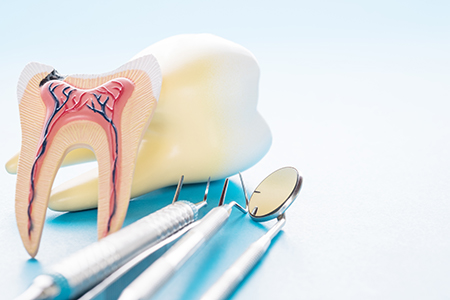
After root canal therapy you should expect gradual improvement in the pre-treatment symptoms. It’s common to feel some tenderness or mild soreness for a few days while surrounding tissues heal, and your dentist will recommend appropriate pain control measures if needed.
Protect the treated tooth until a final restoration is in place: avoid biting hard foods on that side, and follow any specific instructions your dentist provides. If antibiotics were prescribed, complete the course exactly as directed to fully address any infection.
Continue with daily brushing and flossing and attend regular dental checkups. With proper restoration and good oral hygiene, a tooth that has had root canal treatment can function for many years — often a lifetime. If you notice persistent pain, swelling, or a change in how the tooth feels, contact our office for reassessment.
Numbness from local anesthesia can last an hour or two. Take care not to bite soft tissues until normal sensation returns, and avoid hot foods and drinks while feeling numb.
Mild to moderate soreness is common as the tooth and surrounding tissues settle. Over-the-counter pain relievers are typically effective; your dentist will advise what’s best in your situation.
If antibiotics are prescribed, take the full course exactly as directed to ensure the infection is fully addressed.
Even with a temporary filling, the treated tooth may be more fragile. Avoid hard, chewy, or sticky foods until the final restoration is completed.
Brushing and flossing around the treated tooth supports healing and helps prevent new problems from developing.
A crown or other permanent restoration reinforces the tooth and restores full function. Your dentist will advise on timing and the best restorative option.
At Suezaki Family Dentistry, we’re committed to helping patients understand their treatment options and feel comfortable throughout the process. If you have questions about root canal therapy, recovery, or what to expect for your specific tooth, please contact us for more information.
A root canal is a restorative dental procedure that removes diseased or damaged pulp from inside a tooth to stop infection and relieve pain. The treatment preserves the natural tooth structure by cleaning, disinfecting, and sealing the root canals to prevent recontamination. When successful, a root canal allows the tooth to remain functional and helps maintain normal chewing forces and jawbone health.
Contemporary root canal therapy uses advanced instruments and filling materials to improve predictability and long-term success. Many treated teeth remain in function for many years when they receive appropriate restoration after the procedure. Your dentist will explain why saving the tooth is recommended and what follow-up restoration is likely to be needed.
The most common causes are deep tooth decay, a cracked or fractured tooth, and dental trauma that exposes or injures the pulp. Bacteria that reach the pulp through decay or a crack can produce inflammation and infection that lead to persistent pain and eventual tissue death. Repeated dental procedures on the same tooth can also increase the risk of pulp damage when restorative work reaches deep into the tooth.
Infection can spread from the pulp to the surrounding bone if left untreated, which may cause swelling, abscess formation, and damage to tooth-supporting structures. Radiographs and a clinical exam help determine the extent of disease and guide the decision to perform root canal therapy. Your dentist will review the likely cause and the treatment rationale for your specific tooth.
Common warning signs include persistent or severe toothache, prolonged sensitivity to hot or cold even after the stimulus is removed, and pain when biting or touching the tooth. Other indicators are darkening of a tooth after injury, swelling or tenderness in the gums near the tooth, and the appearance of a pimple-like bump that may drain fluid. In some cases the tooth may feel loose if the supporting bone has been affected by infection.
Not every problematic tooth produces obvious symptoms, and some infections are first detected on routine X-rays without noticeable pain. A thorough clinical exam and radiographic assessment are necessary to confirm whether root canal therapy is appropriate. Prompt evaluation improves the chance of saving the tooth and avoiding more extensive treatment.
Root canal treatment is typically performed under local anesthesia to keep you comfortable during the procedure. The tooth is isolated, an access opening is made to reach the pulp chamber, and the canals are carefully cleaned, shaped, and disinfected using specialized instruments and irrigating solutions. Once the canals are free of debris and bacteria, they are sealed with a biocompatible filling material to prevent reinfection.
Some teeth can be treated in a single visit, while others require multiple appointments if the anatomy is complex or an active infection needs additional time to resolve. Your dentist may use magnification, digital X-rays, or CBCT imaging to evaluate canal anatomy and plan treatment. If you experience anxiety, sedation options can be discussed to improve comfort and reduce stress.
With modern anesthesia and techniques, most patients experience little to no pain during the procedure; sensations are similar to receiving a routine filling. You may feel pressure or movement, but effective local anesthesia minimizes discomfort for the vast majority of patients. The goal is to remove the source of pain caused by infection or inflammation, which often results in immediate relief once the pulp is addressed.
After treatment it is common to have mild soreness or tenderness for a few days as surrounding tissues heal, and over-the-counter pain medication is usually sufficient to manage this. If pain intensifies or persists beyond the expected healing period, contact your dentist for reassessment. Prompt follow-up helps identify issues that may require additional care.
Recovery times vary, but most patients notice gradual improvement in the day-to-day symptoms within a few days after treatment. Mild soreness and sensitivity around the treated tooth are common for a short period as tissues heal, and normal activities can typically be resumed the same day. Following your dentist’s post-operative instructions, including avoiding hard or sticky foods on the treated side, helps protect the temporary restoration during healing.
If antibiotics are prescribed for an active infection, it is important to complete the full course as directed to ensure resolution. A follow-up visit is usually scheduled to monitor healing and to place or plan the final restoration that will protect the tooth long term. With appropriate restoration and good oral hygiene, the treated tooth can remain healthy and functional for many years.
A crown is commonly recommended for teeth that have had root canal therapy because treated teeth can be more brittle and susceptible to fracture. Posterior teeth such as molars often benefit from full-coverage crowns to restore chewing strength and protect the remaining tooth structure. In some cases, front teeth with minimal structural loss can be restored with a bonded filling or a less extensive restoration.
The need for a crown depends on factors like the amount of natural tooth remaining, the tooth’s location, and the forces it endures while chewing. Your dentist will evaluate the tooth after root canal treatment and recommend the most durable restorative option to maximize longevity. Proper restoration is an important step in preserving the tooth and preventing future problems.
Yes, reinfection is possible if bacteria re-enter the tooth through new decay, a fractured restoration, or previously untreated anatomy such as a missed canal. Recurrent infection may present with symptoms similar to the original problem, including pain, swelling, or the development of a sinus tract. Identifying the cause of reinfection is essential to determine whether retreatment, an apical procedure, or extraction is the appropriate solution.
Your dentist will use clinical examination and radiographs or CBCT imaging to assess the tooth and plan next steps. Retreatment involves removing the previous filling material, cleaning the canals again, and placing a new seal, while surgical options can address persistent issues at the root tip. Early evaluation improves the likelihood of saving the tooth with additional treatment when needed.
You should seek dental evaluation promptly if you have persistent or worsening tooth pain, significant sensitivity that does not subside, swelling of the gums or face, or drainage near a tooth. These signs can indicate an advancing infection that may spread to surrounding tissues if left untreated. Early assessment allows your dentist to diagnose the problem with a clinical exam and radiographs and to recommend the most appropriate care.
Even if symptoms are mild or intermittent, radiographic findings during routine exams sometimes reveal infections before they cause severe pain. Timely treatment improves the chance of saving the tooth and reduces the need for more invasive procedures. Contact your dental office for an appointment if you notice any concerning symptoms so that evaluation and treatment can proceed without unnecessary delay.
At Suezaki Family Dentistry, complex cases are evaluated with thorough diagnostics, including digital radiography and, when indicated, CBCT imaging to visualize canal anatomy and surrounding structures. We combine clinical experience with magnification and modern instrumentation to improve the likelihood of complete cleaning and sealing of the canals. Treatment plans are individualized to the tooth’s anatomy, the extent of infection, and the patient’s overall oral health to achieve the best long-term outcome.
When a case requires specialized endodontic care, we coordinate referrals with trusted endodontic specialists to ensure patients receive the most appropriate treatment. Communication about expected steps, healing timelines, and restoration needs is provided so patients understand their options. Follow-up appointments monitor healing and confirm the tooth is ready for its final restoration.