Gum disease is the leading cause of tooth loss for adults, and it often progresses quietly. Many people do not realize a problem is developing until significant damage has occurred. At Suezaki Family Dentistry, we focus on early detection and practical treatment strategies to protect your smile and overall health.
Periodontal disease begins as a local response to bacteria that collect along the gumline. Left unchecked, this bacterial film hardens into calculus and releases toxins that inflame the soft tissues. Over time, that inflammation can extend beneath the gumline and affect the fibers and bone that hold teeth in place.
The disease progresses in stages and is often symptom-light at first. Because it can be painless in the beginning, routine exams and professional cleanings are critical for identifying early changes before they become irreversible. Prevention and monitoring are much more effective than trying to undo advanced tissue loss.
Good daily hygiene—brushing twice a day, flossing, and using interdental cleaners—combined with regular dental visits reduces bacterial buildup and lowers the risk of progression. Lifestyle factors such as smoking and systemic health issues like diabetes also influence how aggressively periodontal disease develops.
Although gum disease can be subtle, there are common signs that point to an active problem. Paying attention to these symptoms and bringing them to your dentist’s attention allows for earlier intervention and better outcomes. Early recognition gives your dental team more options that are less invasive.
Some patients notice changes right away, while others only detect problems during a routine checkup. If you experience persistent redness, bleeding, or any change in how your teeth feel when you bite or chew, it’s important to schedule an evaluation.
Being mindful of these signs empowers you to act quickly. Early-stage treatment can often reverse inflammation and preserve the supporting structures around your teeth.
Common symptoms that suggest gum disease may be present include:
Swollen or tender gums
Bleeding during brushing or flossing
Gum recession exposing root surfaces
Sensitivity to hot, cold, or sweet stimuli
Persistent bad breath or a metallic taste
Looseness or shifting of teeth
New gaps between teeth or altered bite
Changes in the fit of partial dentures
Pus or discharge around the gumline
Discomfort when biting or chewing
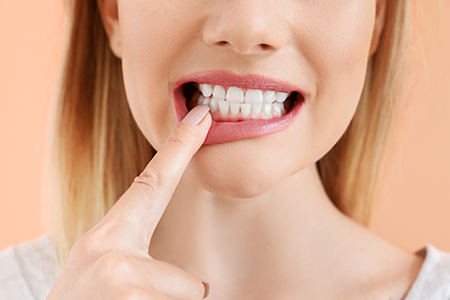
Gingivitis is the earliest and most treatable phase of gum disease. In this stage, the gums are inflamed but the underlying bone and connective tissues remain intact. With focused care and improved oral hygiene, the inflammation can usually be resolved and the tissue returned to a healthy state.
Treatment for gingivitis centers on removing the bacterial buildup that causes inflammation. That typically involves a professional cleaning to remove plaque and tartar above and just below the gumline, paired with a personalized home-care plan to prevent recurrence.
Because gingivitis is reversible, timely action is important. Patients who commit to consistent daily care and regular dental maintenance reduce their risk of developing more serious periodontal problems that require advanced intervention.

If gum inflammation is not controlled, it can progress to periodontitis, a stage where the infection affects the fibers and bone that support teeth. As pockets form between the gums and teeth, bacteria are able to penetrate deeper and more damage can occur. This tissue loss is often permanent and may eventually lead to tooth mobility or loss.
Periodontitis varies in severity. Mild cases may respond to conservative measures, while more advanced disease often requires targeted periodontal therapy to remove bacteria, reduce pocket depth, and stabilize the dentition. Imaging and careful probing during your exam help define the extent of involvement and guide treatment planning.
Beyond preserving teeth, managing periodontitis also supports overall health. Emerging evidence links chronic oral inflammation with systemic conditions, so addressing periodontal disease is an important part of whole-person care.
Successful periodontal therapy begins with a thorough assessment and a clear plan tailored to the patient’s needs. Treatment aims to halt disease activity, minimize further tissue loss, and create a manageable environment for ongoing home care. Depending on the situation, care may combine non-surgical approaches, localized medications, and, when necessary, surgical procedures.
When periodontal problems are detected before extensive damage has occurred, non-surgical therapy is often the first step. Scaling and root planing remove plaque and calculus from pockets beneath the gums and smooth root surfaces so the tissue can reattach. This process reduces bacterial load and gives inflamed tissues a chance to heal.
Adjunctive measures, such as placing local antimicrobial agents or recommending a short course of systemic medication in certain cases, can complement mechanical cleaning. A customized maintenance schedule with more frequent professional cleanings helps prevent recurrence and monitors the tissues for stability.
Conservative care places a strong emphasis on patient education and daily oral hygiene. When patients adopt improved brushing techniques, interdental cleaning, and consistent maintenance visits, many will enjoy long-term control of their condition without the need for surgery.
For deep pockets or advanced tissue loss, surgical intervention may be necessary to access root surfaces, reduce pocket depths, and repair damaged tissues. Procedures such as flap surgery allow the clinician to thoroughly clean affected areas and reshape the bone and gum contours to create a healthier environment.
Regenerative techniques—like bone grafting or guided tissue regeneration—can help restore lost support in selected cases, improving both function and appearance. Minimally invasive tools, including dental lasers when appropriate, can also play a role in reducing pocket depth and treating localized areas of infection.
Following surgical care, a strict maintenance regimen and improved home hygiene are essential to sustain results. With coordinated treatment and follow-up, many patients regain stable periodontal health and can maintain their natural teeth for years to come.
At Suezaki Family Dentistry, our approach is to combine careful diagnosis with personalized treatment plans that respect each patient’s goals and overall health. If you’re concerned about your gums or have noticed any changes, contact us for more information about periodontal care and how we can help preserve your smile.
Gum disease begins when bacterial plaque accumulates along the gumline and hardens into calculus, which releases toxins that inflame the soft tissues and eventually the supporting bone. Risk increases with inadequate oral hygiene, tobacco use, poorly controlled diabetes, certain medications, and genetic predisposition. At Suezaki Family Dentistry we emphasize early detection and modification of risk factors to limit progression and preserve oral health.
Because periodontal disease is often painless in its early stages, many patients are unaware a problem is developing until measurable tissue loss has occurred. Regular dental examinations, periodontal probing, and radiographic evaluation help identify affected sites before irreversible damage happens. Controlling systemic health conditions and quitting smoking are among the most effective ways to reduce long-term risk.
Early signs often include gums that are red, swollen, or bleed during brushing or flossing, along with persistent bad breath or a metallic taste. Patients may also notice gum recession, increased tooth sensitivity, or changes in how teeth contact when biting. Some people only learn about periodontal issues during routine exams because symptoms can be subtle.
As disease advances, pocket depths can increase and teeth may feel loose or begin to shift, creating new gaps or altering denture fit. Identifying these signs early opens the door to less invasive treatment options and better long-term outcomes. If you observe any of these changes, schedule an evaluation to determine the extent of involvement.
Diagnosis begins with a comprehensive clinical exam that includes periodontal probing to measure pocket depths and assess attachment levels around each tooth. Your dentist will review your medical history, evaluate risk factors, and use radiographs or 3D imaging when needed to visualize bone levels and detect hidden areas of loss. Periodontal charting and photographic documentation help track disease activity and guide treatment planning.
In some cases, additional tests such as microbial sampling or assessment of inflammatory markers may be recommended to clarify treatment choices. These diagnostic tools allow clinicians to tailor therapy to the severity and pattern of disease. Accurate staging and grading of periodontitis support more predictable, evidence-based care.
Scaling and root planing is a deep cleaning procedure that removes plaque and calculus from beneath the gumline and smooths root surfaces to encourage tissue reattachment. It is commonly recommended for patients with pockets that are too deep to clean effectively at home but who have not yet experienced extensive bone loss. The procedure is typically performed under local anesthesia to maximize comfort and effectiveness.
After scaling and root planing, the tissues are given time to heal and reduce pocket depth, and clinicians reassess whether further treatment is needed. Adjunctive local antimicrobials or a short course of systemic medication may be used in select cases to decrease bacterial load. A tailored maintenance schedule with more frequent professional cleanings helps sustain the benefits achieved by this conservative approach.
Yes, nonsurgical adjuncts can complement mechanical debridement and are chosen based on the specific clinical scenario. Local antimicrobial agents and medicated gels can be placed into pockets to reduce pathogenic bacteria, and antimicrobial mouthrinses may help control surface plaque and inflammation. In select cases, a clinician may recommend a short course of systemic therapy to address aggressive or widespread infection.
Other adjuncts include host-modulation strategies and laser therapy, which may reduce bacterial load and promote tissue healing in targeted areas. These options do not replace thorough mechanical cleaning but can improve outcomes for certain patients when used appropriately. Your dental team will discuss potential benefits and limitations to determine the most appropriate adjunctive measures.
Surgical periodontal therapy is considered when non-surgical measures have not achieved sufficient pocket reduction or when access is needed to thoroughly clean root surfaces and reshape damaged bone. Procedures such as flap surgery allow the clinician to visualize and debride deep pockets, reduce pocket depths, and correct unfavorable gum and bone contours. Surgery may also be indicated to address persistent infection or to prepare a site for restorative work.
Following surgical treatment, regenerative techniques or grafting may be used to rebuild lost support in appropriate cases. Surgical approaches are individualized to balance disease control, function, and esthetics while minimizing patient discomfort. Careful post-operative maintenance and more frequent monitoring are essential to preserve the surgical results.
Regenerative therapies aim to restore lost periodontal support and may include bone grafting, guided tissue regeneration with barrier membranes, and the use of biologic growth factors to stimulate healing. These techniques are selected based on defect type, size, and patient-specific factors such as systemic health and oral hygiene. When successful, regeneration can improve both function and appearance by rebuilding the structures that anchor teeth.
Not every defect is a candidate for regeneration, so careful case selection and conservative expectations are important. The clinician will explain the anticipated outcomes, surgical steps, and the maintenance required to support long-term stability. Combined with diligent oral hygiene, regenerative procedures can extend the lifespan of affected teeth.
Preparation typically starts with a comprehensive assessment that may include medical history review, periodontal charting, and imaging so the team can develop a customized treatment plan. For many procedures, local anesthesia is used to ensure comfort, and preoperative instructions will cover medications, smoking cessation, and oral hygiene adjustments. Patients should disclose medical conditions and current medications so any necessary precautions can be taken.
During treatment visits you can expect focused cleaning or surgical steps performed with attention to infection control and patient comfort, and the clinician will explain post-treatment care and follow-up intervals. Healing is monitored at scheduled visits to assess tissue response and to determine if further therapy is needed. Clear instructions about at-home care and activity restrictions help promote predictable healing.
Recovery varies with the type and extent of the procedure but commonly includes a few days to several weeks of gradual tissue healing and mild to moderate discomfort that can be managed with recommended medications and self-care. Patients are advised to follow a soft diet initially, avoid smoking, maintain gentle oral hygiene, and attend follow-up appointments so the clinician can monitor healing progress. Swelling and minor bleeding are normal in the early postoperative period and should diminish over time.
For regenerative or surgical therapies, longer-term follow-up is important to confirm stability and to reinforce maintenance strategies. Your clinician will provide specific timelines for suture removal, cleaning appointments, and any behavioral restrictions. Promptly report any signs of unusual or persistent pain, fever, or excessive bleeding so the team can assess and respond appropriately.
Long-term control centers on effective daily oral hygiene, including brushing twice daily, regular interdental cleaning with floss or brushes, and the use of adjunctive rinses when recommended. Regular professional cleanings and periodontal maintenance visits at intervals determined by disease severity help remove areas of buildup that are difficult to manage at home. Controlling systemic conditions like diabetes and avoiding tobacco use also significantly reduce the risk of progression.
Your dental team can develop a personalized prevention plan that addresses your specific risk factors and lifestyle, with education on proper techniques and tools. Consistent maintenance and early intervention for recurrent inflammation are the most reliable ways to preserve natural teeth and overall oral health. If you have concerns about gum health, the clinicians at Suezaki Family Dentistry can evaluate your needs and recommend an appropriate maintenance schedule.