At the office of Suezaki Family Dentistry, protecting your child's oral health is a family commitment. We want every child who visits our practice to leave with not only a healthier mouth, but a better understanding of how to care for their smile. Our team focuses on prevention, patient-centered communication, and age-appropriate care so that good habits begin early and last a lifetime.
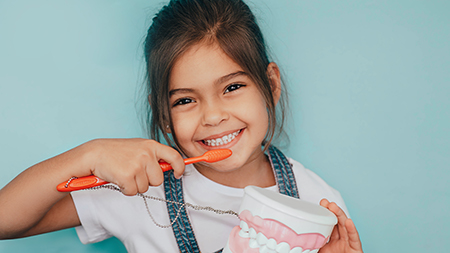
Early routines shape lifelong outcomes. Teaching children how to brush and floss correctly, encouraging consistent dental visits, and modeling healthy eating habits all work together to reduce the chance of decay and to build confidence around dental care. When prevention is emphasized, small steps—like a two-minute brushing routine or limiting sugary drinks—have a big impact over time.
Our approach is practical and positive: instead of lecturing, we coach. We show children gentle techniques with age-appropriate tools, and we give parents realistic strategies for establishing routines at home. Simple adjustments—timing brushing to a favorite song, using fun flossers, or setting consistent bathroom routines—can make oral care feel manageable and even enjoyable for kids.
Prevention also means using the right professional safeguards. At routine visits we evaluate for early signs of trouble and recommend protective measures—such as fluoride varnishes or sealants—when appropriate. The goal is to intercept problems before they become painful or complicated, keeping kids comfortable and families reassured.
A dental checkup for a child is more than a quick look at the teeth. We begin with a calm conversation to learn about any recent changes in health, sleep, or diet, then move into a gentle clinical exam that covers teeth, gums, jaw function, and oral habits. Every exam is paced to the child’s needs—some visits are quick and breezy for very young patients, while others allow more time for instruction and practice.
Diagnostic tools like digital radiographs are used selectively and only when necessary to view what’s developing below the surface. These images help us identify cavities between teeth, track the growth of permanent teeth, and monitor jaw and bone development. When imaging is recommended, we explain the purpose in plain terms so parents and children both understand the benefit and the safety measures involved.
Professional cleanings are a key part of the visit. Our hygienists remove plaque and tartar buildup, polish the teeth, and give age-appropriate tips for brushing and flossing. We also use this time to answer questions about pacifier use, thumb sucking, or school-related dental concerns—small issues that are easier to manage when spotted early.
Tooth decay is common but largely preventable. We emphasize targeted prevention: regular home care, dietary awareness, and in-office treatments that strengthen enamel. Parents should be aware that cavity risk is influenced both by how often a child eats or sips sugary substances and how well those surfaces are cleaned afterward.
When cavities do appear, addressing them early reduces the risk of pain and more invasive treatment later on. We use the gentlest, most conservative techniques available to preserve healthy tooth structure and to help children tolerate care with minimal stress. Our team focuses on behavior-friendly methods and clear explanations so children understand what to expect.
We also counsel families about habits that affect dental health: limiting prolonged bottle or sippy cup use with milk or juice, encouraging water between meals, and addressing prolonged thumb or pacifier habits before they affect tooth or jaw alignment. Small, consistent changes can dramatically lower a child’s decay risk and preserve their developing smile.
Establish a dental partnership early—bring infants and toddlers in for gentle screening visits
Keep baby and toddler teeth clean with a soft cloth or infant toothbrush as soon as teeth appear
Avoid letting babies fall asleep with milk or juice in a bottle to protect front teeth from early decay
Bring children for routine dental checkups and cleanings on the schedule recommended by your dentist
Lead by example—children are more likely to adopt brushing and flossing habits when parents participate
Choose healthy snacks and emphasize water over sugary beverages to support strong teeth and gums
Help children stop pacifier or thumb-sucking habits at the appropriate developmental time to prevent alignment issues
Make sure your child wears a properly fitted mouthguard when participating in contact or collision sports
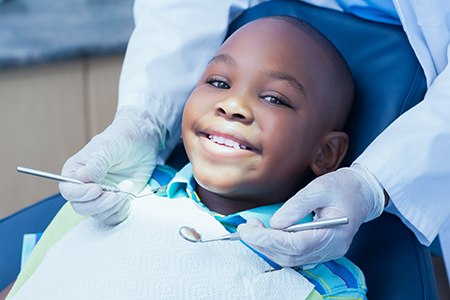
Babies begin developing the structures that become teeth well before birth, and their first teeth usually begin to emerge around six months of age. Because baby teeth serve important roles in eating, speech development, and guiding the permanent teeth, early screening and guidance are essential. The American Academy of Pediatric Dentistry recommends a first dental visit around the first birthday or within six months of the first tooth erupting.
Initial visits are short and focused on education and reassurance. We review feeding practices, teething comfort measures, and safe oral hygiene methods appropriate for infants. For many parents, these visits provide a welcome chance to ask practical questions about pacifiers, teething discomfort, and how to introduce brushing at the right time.
Teething can be uncomfortable, but there are gentle, safe ways to help. Cold teething rings, a clean damp gauze rubbed over the gums, and comforting routines can reduce fussiness. As teeth appear, we guide parents on the transition to a soft-bristled toothbrush and a pea-sized amount of fluoride toothpaste when advised by your dental provider.
As children reach school age and adolescence, their smiles go through predictable stages of growth and change. We routinely monitor facial growth, bite development, and the eruption pattern of permanent teeth so that any orthodontic concerns can be identified early. Early evaluation often reveals opportunities to guide growth and, when needed, to refer for timely orthodontic care.
Nutrition plays a central role in development. A balanced diet rich in calcium, vitamin D, and other essential nutrients supports strong teeth and healthy gums. Reducing the frequency of sticky and sugary snacks—especially between meals—helps control the bacterial acids that cause decay. We offer practical guidance tailored to busy families, including healthier snack swaps and strategies to make water the default drink.
Active kids can face dental injuries, which is why properly fitted mouthguards are so important. A custom mouthguard provides superior protection compared with store-bought models and can be especially valuable for children in organized sports. In cases of dental trauma—chipped, loosened, or knocked-out teeth—prompt assessment and treatment substantially improve the chances of saving the tooth and minimizing long-term consequences.
As teens approach the end of dental development, we continue to monitor the emergence and position of wisdom teeth and the overall alignment of the bite. Not every wisdom tooth requires removal, but monitoring allows us to detect potential problems—such as impaction or crowding—before they cause pain or damage. Periodic exams and appropriate imaging help inform these decisions.
In summary, pediatric dental care is about proactive education, attentive monitoring, and timely intervention to protect a child’s oral health as they grow. From the first tooth to adolescence, consistent home care combined with professional guidance helps children enjoy healthy, confident smiles. If you’d like to learn more about how we care for young patients or discuss any concerns about your child’s dental development, please contact us for more information.
The American Academy of Pediatric Dentistry recommends a first dental visit by the first birthday or within six months of the first tooth erupting. Baby teeth play important roles in eating, speech development, and guiding the permanent teeth, so early screening helps spot issues and establish healthy routines. Initial visits are short and focused on education, reassurance, and simple checks to make both parents and infants comfortable.
At Suezaki Family Dentistry we use these early visits to review feeding practices, teething comfort measures, and safe oral hygiene methods for infants and toddlers. These appointments give parents a chance to ask practical questions about pacifiers, bottle use, and when to begin brushing with a soft-bristled toothbrush. Early contact with the dental team helps build trust and sets a positive tone for future care.
A pediatric checkup begins with a calm conversation about recent health, sleep, diet and oral habits, followed by a gentle clinical exam of the teeth, gums and jaw function. Visits are paced to the child’s needs, with very young patients often receiving a quick screening and older children receiving more time for instruction and practice. When needed, diagnostic tools such as digital radiographs are used selectively to view tooth development below the surface.
Professional cleanings remove plaque and tartar, polish the teeth and include age-appropriate tips for brushing and flossing at home. The hygienist and dentist also discuss prevention strategies such as fluoride varnish or sealants when appropriate, and they will answer questions about thumb sucking, pacifier use or sports safety. The goal is to keep visits positive, educational and reassuring for both child and parent.
Preventing decay relies on a combination of consistent home care, dietary awareness and timely professional treatments. Brush twice daily with a soft-bristled toothbrush and a smear or pea-sized amount of fluoride toothpaste as recommended for your child’s age, and begin flossing when teeth contact each other. Limiting frequent exposure to sugary drinks and snacks and encouraging water between meals reduces the acids that contribute to cavities.
In the dental office we evaluate decay risk and recommend targeted measures such as fluoride varnish to strengthen enamel and dental sealants to protect chewing surfaces on permanent molars. Regular checkups make it easier to spot early signs of decay and to intervene with conservative treatments before problems progress. Working together on daily routines and in-office prevention helps maintain healthy smiles as children grow.
Topical fluoride treatments, like varnish, are widely used and considered safe when applied by a dental professional in appropriate amounts. Fluoride helps remineralize enamel and reduce the risk of cavities, especially when combined with good home care and dietary habits. The dentist assesses each child’s individual risk and recommends fluoride applications accordingly.
Parents should follow the dentist’s guidance on toothpaste amounts and supervision to avoid ingestion of excess fluoride in young children. For infants and toddlers, a smear of toothpaste or wiping the gums may be advised until the child can reliably spit. If you have questions about frequency or safety, discuss them with your dental team so recommendations reflect your child’s needs.
Dental radiographs are used selectively to reveal issues that cannot be seen during a clinical exam, such as cavities between teeth, the position of developing permanent teeth and certain growth or bone concerns. The need for X-rays depends on the child’s age, risk of disease and clinical findings, and your dentist will explain the purpose before imaging is taken. Modern digital radiography provides clear diagnostic images while using much lower radiation than older film systems.
When X-rays are recommended, providers follow the principle of keeping exposure as low as reasonably achievable, using protective measures such as lead aprons and collimation. The diagnostic value of targeted radiographs often outweighs the minimal risk, because early detection of hidden problems can prevent more extensive treatment later. Parents are encouraged to ask about the type of imaging and the reasons it is recommended for their child.
Pediatric dental teams use behavior-friendly techniques such as tell-show-do, positive reinforcement and gradual desensitization to help children feel safe and cooperative. Visits are paced to the child’s comfort, using age-appropriate language and demonstrations of tools and procedures to reduce fear. A calm, supportive environment and parent involvement when helpful can make a big difference in a child’s response to care.
For children with significant anxiety, special needs or extensive treatment needs, the dentist may discuss additional options and a personalized plan to ensure safety and comfort. These alternatives can include scheduling longer visits, using nitrous oxide sedation where appropriate, or referring to a specialist for cases that require advanced behavior management. The priority is always to provide compassionate care while minimizing stress for the child and family.
Thumb sucking and pacifier use are common soothing behaviors in infants and young children, and most children stop on their own by age 2 to 4. Concerns arise if the habit persists as permanent teeth begin to erupt, because prolonged habits can influence tooth alignment and jaw development. Early discussion with the dentist can help determine whether intervention is needed based on the child’s age and dental development.
Behavioral strategies such as positive reinforcement, gentle reminders and limiting pacifier use to specific situations often help children break the habit. In persistent cases where the habit is affecting tooth position, the dentist can recommend additional options or coordinate care with an orthodontist. Addressing the habit before it causes lasting changes makes corrective treatment simpler and less invasive.
Common pediatric dental emergencies include knocked-out, loosened or chipped teeth, sudden severe pain, and oral injuries that cause bleeding or swelling. For a knocked-out permanent tooth, time is critical: rinse the tooth gently if dirty, avoid scrubbing the root, and place it back in the socket if possible or store it in milk or a suitable saline solution while seeking immediate dental care. For other injuries, control bleeding with gentle pressure, apply a cold compress to reduce swelling, and contact your dental provider promptly for assessment.
Prompt evaluation improves the chances of saving a tooth and minimizing long-term consequences, so do not delay in seeking care after an injury. If you are unsure about the severity of an injury, call the dental office and describe the situation so staff can advise on next steps. Quick action and professional assessment are the best ways to protect a child’s long-term oral health and comfort at Suezaki Family Dentistry.
Children who participate in contact or collision sports should wear a mouthguard whenever there is a risk of dental injury, and it is best to begin wearing protection as soon as they start organized play. Custom-fitted mouthguards made by a dental professional offer superior fit, comfort and protection compared with over-the-counter boil-and-bite models. A properly fitted guard helps reduce the risk of chipped, fractured or knocked-out teeth and can also help prevent soft tissue injuries to the lips and cheeks.
The dentist can recommend the most appropriate type of mouthguard based on the child’s sport, age and dental development, and can make adjustments as the child’s mouth grows. Regular checks ensure the guard remains effective as teeth erupt and the bite changes. Encouraging consistent use and proper care of the mouthguard helps protect young athletes during practices and games.
Orthodontic screening is commonly recommended by age 7 to evaluate jaw growth, tooth eruption patterns and bite development, allowing early identification of issues that may benefit from guidance or early intervention. Regular dental exams allow the dentist to track facial growth and refer to an orthodontist when appropriate to harness growth or prevent more complex problems later. Imaging and clinical assessment help determine whether interventions such as space maintenance, growth guidance or braces will be beneficial.
As teens near the end of dental development, we continue to monitor the position and emergence of wisdom teeth and assess whether they pose a risk for impaction or crowding. Not all wisdom teeth require removal, but timely evaluation helps detect potential problems before they cause pain or damage. Ongoing monitoring and clear communication with families support well-timed decisions for orthodontic or surgical care if needed.