Tooth loss affects many lives, and the decision to replace missing teeth is often as much about quality of life as it is about oral health. Modern implant dentistry gives people options that were impossible a generation ago: durable, comfortable restorations that preserve function, appearance, and the bone that supports your smile. Whether a single tooth is gone or several are missing, contemporary implant solutions are designed to restore chewing ability, speech clarity, and confidence.
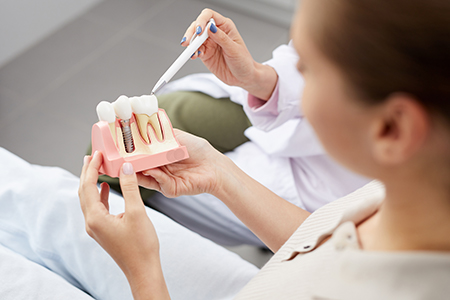
Choosing the right approach begins with understanding how implants differ from other tooth-replacement options. Because implants are anchored in the jaw, they offer a stability that removable prostheses cannot match. They also avoid altering healthy neighboring teeth—something that matters to long-term dental health. In short, implants aim to re-create the look, feel, and function of a natural tooth without compromising adjacent structures.
At their best, implants are a long-term investment in oral wellness: they help preserve facial contours, support proper chewing and digestion, and reduce the chance of adjacent teeth shifting into empty spaces. Our practice blends careful diagnosis, modern planning tools, and established surgical protocols to deliver predictable outcomes tailored to each patient’s needs.
A dental implant acts as a prosthetic root, providing a secure foundation for a crown, bridge, or denture. Once an implant integrates with the jawbone, it transmits the forces of biting and chewing in a way that closely resembles a natural tooth. That biomechanical compatibility is why many patients notice an immediate improvement in chewing efficiency and comfort after restoration.
Because implants are fixed and anchored, they eliminate many of the common frustrations associated with removable dentures, such as slipping or clicking during conversations or meals. They also allow restorations to be designed with a focus on natural contours and color, helping a replacement tooth blend seamlessly with the rest of the smile.
Long-term success with implants depends on accurate placement, appropriate prosthetic design, and patient maintenance. With careful planning and regular follow-up care, implants can provide reliable function for many years, supporting a broad range of restorative possibilities from single crowns to full-arch reconstructions.
Modern dental implants are made from biocompatible materials and consist of three primary parts: the implant fixture (the part placed in bone), the abutment (which connects the fixture to the replacement tooth), and the prosthetic crown, bridge, or denture. The body accepts the implant fixture, allowing bone to grow closely around it in a process called osseointegration, which creates a stable and durable anchorage.
Planning begins with a comprehensive clinical exam and imaging to evaluate bone quantity, anatomy, and any factors that could influence implant placement. When a site has adequate bone and healthy soft tissue, implants can often be placed with minimal disruption and predictable healing. If additional preparation is needed, there are reliable techniques to build the supporting foundation safely.
Every implant treatment is personalized. Your medical and dental history, bite relationships, aesthetic goals, and lifestyle all guide the selection of implant type and final restoration. This individualized approach helps ensure the prosthetic not only looks natural but also performs well for day-to-day life.
Beyond aesthetics, implants often restore practical functions that matter most: speaking without worry, enjoying a varied diet, and laughing without concern. Many patients report a renewed sense of normalcy because implants eliminate the restrictions that can come with removable prosthetics and the maintenance routines they require.
Dental implants also play an important role in preserving jawbone. When a tooth is missing, the underlying bone slowly resorbs over time; an implant stimulates the surrounding bone similarly to a natural root, helping to maintain facial support and reduce long-term structural changes.
Because implants don't rely on neighboring teeth for support, they can protect the integrity of healthy adjacent teeth. This conservation of natural tooth structure is a meaningful advantage compared with some traditional bridgework that requires altering neighboring teeth for retention.
Determining candidacy for implants starts with a careful evaluation of overall health, oral condition, and treatment goals. Many adults are suitable candidates, but certain medical conditions or habits can influence planning. A thorough consultation helps identify any factors that should be addressed before moving forward.
Bone quantity and quality are key considerations: sufficient supporting bone is needed for predictable implant placement. When bone has diminished, options such as bone grafting or guided augmentation can rebuild the foundation so that implants can be placed successfully. These preparatory procedures are common and routinely used to expand eligibility for implants.
We create tailored treatment plans that balance clinical needs with aesthetic expectations and lifestyle factors. During your visit we’ll review imaging, discuss restoration choices, and outline what to expect during treatment and recovery so you can make an informed decision.
Implant surgery is typically performed in an outpatient setting using local anesthesia and, when appropriate, sedation options to maximize comfort. The procedure itself varies depending on the number of implants and any preparatory steps, but it is planned carefully to minimize trauma and support predictable healing.
After placement, a healing period allows the implant to integrate with the jawbone. Some cases permit a temporary prosthesis to be attached immediately for aesthetics and function, while other situations call for a healing interval before the final restoration is fitted. Your clinician will recommend the best approach based on clinical factors and long-term prognosis.
We emphasize clear communication and follow-up care. Before surgery you will receive instructions for preparation, and after surgery we provide guidance for recovery, oral hygiene, and maintenance to help secure a successful outcome.
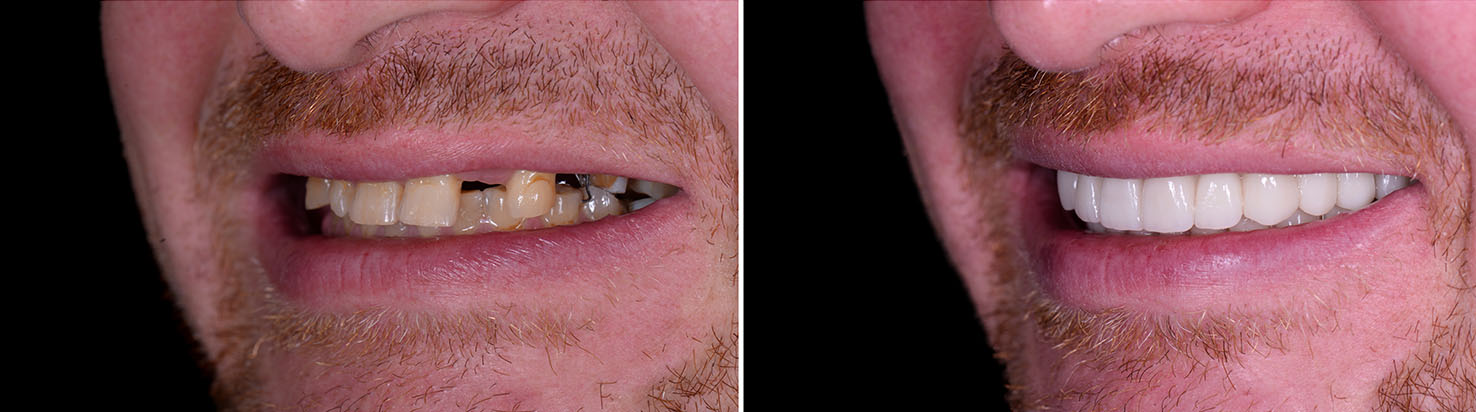
Because a stable volume of bone improves the predictability of implant treatment, bone grafting is a common adjunct when natural bone has declined. Grafting rebuilds or reinforces the jaw so an implant can be supported properly and integrated over time. Techniques range from minor socket preservation after an extraction to more extensive ridge augmentation when needed.
The materials and techniques used for grafting are well-established and are selected to match the clinical circumstance. With careful planning, grafting can expand options for patients who otherwise might not be candidates for implant therapy, making long-term restorations possible.
Success depends on careful diagnosis, meticulous surgical technique, and patient adherence to healing instructions. When grafting is part of the plan, your care team will explain the timeline and expected milestones so you know what to expect at each stage.
Suezaki Family Dentistry combines contemporary implant techniques with personalized treatment planning to restore smiles thoughtfully and reliably. Our emphasis is on predictable results, clear communication, and long-term function—so that each restoration supports both health and confidence.
If you’re considering implants and want to explore how they could restore form and function to your smile, we welcome the opportunity to review your situation and explain the options. Our team will walk you through each step of the process so you can decide with confidence.
To learn more about implant dentistry and whether it’s right for you, please contact us for more information.
Dental implants are prosthetic tooth roots made from biocompatible materials that support crowns, bridges, or dentures. The three main components are the implant fixture placed in bone, the abutment that connects to the fixture, and the visible prosthetic restoration. Together these parts recreate the form and function of a natural tooth and provide a stable foundation for chewing and speech.
Because implants are anchored in the jaw, they transmit biting forces to the surrounding bone much like a natural root. This anchorage helps maintain jawbone volume and facial support over time. Many patients find that implants restore normal chewing efficiency and reduce the limitations associated with removable prosthetics.
Many adults who are missing one or more teeth can be candidates for dental implants, provided they are in generally good health and have healthy gum tissue. Adequate bone volume and quality at the intended site are important for predictable implant placement, although bone grafting can address many deficiencies. A comprehensive evaluation of medical and dental history, oral exam, and imaging helps determine individual suitability.
Certain systemic conditions, uncontrolled diabetes, heavy tobacco use, or active periodontal disease can affect healing and long-term success, so these factors are evaluated and managed before treatment. Age alone is not a limiting factor, and treatment plans are tailored to the patient’s health, functional needs, and aesthetic goals. A consultation allows the clinician to outline options and any preparatory care needed to improve candidacy.
Preparation begins with a detailed clinical exam, diagnostic imaging such as CBCT when indicated, and review of your medical history and medications. Your care team will develop a personalized treatment plan and explain preoperative instructions, which may include medication adjustments and fasting guidelines if sedation is planned. Clear communication about expectations, postoperative care, and any existing health concerns helps reduce risk and improve recovery.
On the day of surgery you should arrange transportation if sedation is used and follow the office’s instructions regarding food and drink. Bring any questions or a list of current medications so the clinician can confirm safety measures. Preparing your home with soft foods and basic recovery supplies can make the immediate postoperative period more comfortable.
Implant placement is usually performed in an outpatient setting under local anesthesia and optional sedation to enhance comfort. The clinician places the implant fixture into the prepared bone site with minimal trauma and may attach a healing cap or temporary restoration depending on case planning. After surgery, a period of healing allows the implant to integrate with the surrounding bone before the final prosthesis is attached.
The integration phase commonly takes several weeks to a few months, with follow-up visits to monitor healing and soft tissue health. Some treatment plans allow for provisional restorations that restore appearance and basic function during healing, while others call for a delayed final restoration for optimal tissue maturation. Throughout recovery you will receive guidance on oral hygiene, dietary recommendations, and signs to report to the office.
Initial discomfort and swelling are common during the first few days and are managed with prescribed or recommended measures and cold therapy. Most patients can return to routine activities within a few days, but complete bone integration and final restoration timelines vary by case. Adhering to postoperative instructions and attending scheduled checkups supports long-term success.
Osseointegration is the biological process by which bone grows closely around the implant surface, forming a stable bond that secures the fixture in the jaw. This process creates the mechanical stability necessary for the implant to bear functional chewing forces without micromovement that could lead to failure. Successful osseointegration is a key determinant of long-term implant performance and durability.
Several factors influence osseointegration, including the quality of the bone, the surgical technique, implant surface characteristics, and overall patient health. Good planning and atraumatic surgical protocols help promote predictable bone healing. Regular follow-up and proper hygiene after placement further support the maintenance of the bone-to-implant interface.
Bone grafting is a common and reliable adjunct when the existing jawbone is insufficient to support an implant. Procedures range from minor socket preservation after extractions to more extensive ridge augmentation, and the chosen technique depends on the amount and location of bone loss. Grafting materials can include autogenous bone, processed donor bone, or synthetic substitutes selected to match the clinical objective.
After graft placement there is a healing period that allows new bone to form and mature before implant placement, although in some cases simultaneous grafting and implant placement are possible. The clinician will review the anticipated timeline, healing expectations, and follow-up imaging needed to confirm readiness for implant placement. With careful planning, grafting routinely expands the number of patients who can receive predictable implant restorations.
Implant restorations are versatile and can address single missing teeth, multiple adjacent losses, or full-arch replacement. Common options include single-tooth crowns on individual implants, implant-supported fixed bridges for multiple adjacent teeth, full-arch fixed restorations for patients missing most or all teeth, and implant-retained removable overdentures for improved stability with the option of removal for cleaning. Each restoration type balances considerations of stability, hygiene access, and the patient’s functional and aesthetic goals.
The final prosthesis is custom-designed to match tooth shape, color, and bite relationships, with materials chosen for strength and appearance. Selection depends on the number and position of implants, bone support, soft tissue considerations, and the patient’s daily needs. Your clinician will explain the pros and cons of each restoration type so you can choose the approach that best fits your lifestyle and expectations.
Long-term care for dental implants focuses on daily hygiene and routine professional maintenance to preserve tissue health and function. Brushing twice daily with a soft-bristled brush, cleaning between teeth and around implants with floss or interdental brushes, and using any recommended adjunctive aids help prevent plaque buildup. Regular dental checkups and professional cleanings allow the team to monitor soft tissue health, prosthetic condition, and bone levels around the implants.
Maintaining general health factors such as blood sugar control, avoiding tobacco, and managing periodontal disease also supports implant longevity. Report any changes such as increased mobility, persistent discomfort, or swelling promptly so issues can be addressed early. A collaborative approach between the patient and care team helps sustain predictable long-term outcomes.
Dental implant treatment is generally predictable, but like all surgical procedures it carries potential risks that include infection, impaired healing, implant failure, and damage to adjacent anatomical structures such as nerves or the sinus cavity. Peri-implant mucositis or peri-implantitis are inflammatory conditions that can affect soft tissue and bone if oral hygiene is inadequate. Early recognition and management of these issues are important to prevent progressive bone loss around implants.
Risk is reduced through careful case selection, thorough diagnostic imaging, precise surgical technique, and diligent postoperative care. The clinician will review individual risks during the consultation and outline steps to mitigate them, including hygiene protocols and follow-up schedules. When complications do occur, timely intervention often allows preservation or salvage of the implant and supporting tissues.
At Suezaki Family Dentistry treatment begins with a comprehensive evaluation that includes a review of medical and dental history, clinical examination, and appropriate imaging to assess bone and anatomical relationships. We use careful diagnosis and modern planning tools to design individualized treatment plans that consider function, aesthetics, and long-term maintenance. Clear communication about the treatment sequence, expected healing stages, and follow-up care helps patients make informed decisions.
The practice emphasizes conservative techniques, meticulous surgical protocols, and coordinated restorative planning to support predictable results. Patients receive detailed pre- and postoperative instructions and scheduled follow-up visits to monitor healing and prosthetic fit. This team-based approach aims to restore comfortable, functional smiles while preserving surrounding natural structures.