Your dental team’s first priority is always to preserve natural teeth, but there are situations when extraction is the healthiest path forward. At Suezaki Family Dentistry, we evaluate each case with the goal of protecting your overall oral health, relieving pain, and preventing problems that can affect the surrounding teeth and tissues. An extraction is recommended only when conservative treatments are unlikely to restore full function or stop disease progression.
Deciding that a tooth should come out is a collaborative process. We’ll review your medical history, current symptoms, and diagnostic images, and discuss alternatives when they exist. Our approach is to explain the reasons clearly, outline what to expect, and tailor care to your comfort level—whether that means a simple in-office removal or coordinating care with a specialist for more complex cases.
Beyond the procedure itself, we plan for what happens next. Removing a tooth may be a single step in a broader treatment plan that includes preserving bone, restoring chewing function, and maintaining a balanced bite. We’ll talk through replacement options and timing so you can make informed decisions that suit your needs and lifestyle.
Primary (baby) teeth that won’t give way
When a child's primary tooth remains firmly attached past the expected time of exfoliation, it can block the eruption of the permanent tooth and cause alignment issues. This can occur when the primary tooth's root fails to resorb or becomes fused to the jawbone. In those situations, careful removal can make room for normal development and help avoid future orthodontic complications.
Permanent teeth with extensive, non-restorable decay
Decay can begin in a small area of enamel and progress inward if not stopped. When the structural damage extends deep into the tooth or compromises the root and nerve beyond repair, trying to restore the tooth may not be safe or predictable. In such cases, extraction prevents ongoing infection and protects adjacent teeth and tissues.
Teeth fractured beyond repair
Trauma or severe wear can leave a tooth so weakened that typical restorative options—crowns, onlays, or root canal therapy—are not feasible. A fracture that involves the root or splits the tooth vertically often leaves extraction as the most reliable option to resolve pain and prevent chronic infection.
Advanced periodontal disease
When gum disease has caused significant loss of the bone and soft tissue that support teeth, the affected teeth may become mobile and painful. Removing teeth that no longer have adequate support can improve comfort, stop the spread of infection, and allow for restorative planning to preserve remaining dentition.
Wisdom teeth that are impacted or causing problems
Third molars often run out of room during development and may remain partially erupted, impacted, or trapped beneath the gums. This can create pockets that are hard to clean, invite decay, or damage nearby teeth. We assess each wisdom tooth individually and recommend removal when it reduces risk and protects long-term oral health.
Extractions as part of orthodontic planning
In some orthodontic cases, removing one or more permanent teeth creates the space needed to align the remaining teeth and establish a stable bite. This decision is made carefully with input from your orthodontist and dentist to achieve the best functional and esthetic outcome.
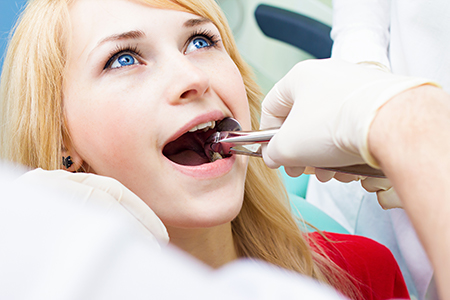
Every extraction begins with a detailed evaluation. We review your medical and dental histories, confirm any medications or conditions that could affect treatment, and take diagnostic images to understand the tooth’s root anatomy and its relation to surrounding structures. This planning lets us choose the least invasive approach and anticipate special considerations.
Local anesthesia is used to numb the area so the procedure is comfortable. For patients who experience dental anxiety or require a more controlled environment, we offer options for dental sedation and will discuss the safest choice based on your health and the complexity of the case. If needed, we coordinate care with an oral and maxillofacial surgeon for surgical extractions.
We categorize extractions as either simple or surgical. Simple extractions involve a tooth that is visible in the mouth and can be removed using elevators and forceps once numb. Surgical extractions are required when a tooth is broken down at the gumline, fused to bone, or impacted; these procedures may involve small incisions, bone removal, and suturing to access and remove the tooth safely.
When a tooth is fully erupted and the root anatomy is favorable, removal is typically direct and efficient. After numbing the area, the dentist gently loosens the tooth and removes it with minimal trauma to surrounding tissues. Most patients tolerate simple extractions well and recover quickly.
If you have concerns about discomfort or sensitivity to dental care, let us know in advance. We’ll explain your anesthesia options and any aftercare steps to reduce anxiety and improve your experience.
Surgical extractions are performed when access is limited or the tooth’s condition makes a simple removal unsafe. The procedure often involves a small incision and precise removal of a bit of bone to free the tooth. These cases can be managed in our office or referred to an oral surgeon, depending on the complexity and the patient’s medical needs.
Surgical procedures include clear pre- and post-operative instructions to minimize risk and support healing. We discuss potential complications and arrange follow-up visits so we can monitor recovery and address any concerns promptly.
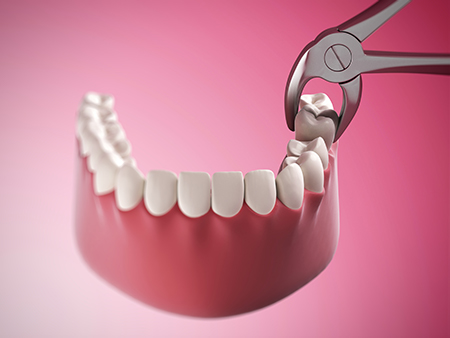
After an extraction, most patients experience a predictable pattern of healing: initial bleeding and swelling that gradually resolve, followed by tissue repair over several weeks. We provide clear, personalized aftercare instructions so you know how to protect the extraction site and reduce discomfort during the first 48–72 hours.
Proper care during the early phase is crucial to prevent complications such as dry socket. That means following guidance on gauze use, avoiding activities that dislodge the clot, and taking medications as directed. We’ll also tell you when it’s safe to resume normal oral hygiene and diet, and when to return for evaluation.
If you notice unusual symptoms—excessive bleeding, persistent or worsening pain, or signs of infection—contact our office so we can assess the situation and provide timely treatment. Most post-extraction issues can be managed effectively when addressed early.
Control bleeding with gauze
We’ll place gauze over the extraction site and ask you to bite gently but firmly to maintain pressure. Change the gauze as directed, and continue gentle pressure until bleeding subsides. A small amount of oozing for up to 24 hours is common; prolonged heavy bleeding should prompt a call to our office.
Protect numb tissues
Avoid chewing or touching the area until the local anesthetic has worn off to prevent accidentally biting the lips, cheeks, or tongue.
Follow medication guidance
If antibiotics are prescribed, complete the full course. Take pain medication as directed and consider taking an over-the-counter non-aspirin analgesic before the anesthesia wears off to stay ahead of discomfort.
Preserve the clot
Avoid rinsing vigorously, using a straw, or sucking on hard candies for the first day or two. These actions can dislodge the clot and delay healing.
Manage swelling
Apply an ice pack to the cheek in 10-minute intervals on the day of the procedure to reduce swelling. Elevating your head while resting also helps limit inflammation.
Avoid tobacco
Smoking or vaping hinders clot formation and slows healing. Refrain from tobacco use for at least a week after extraction to support recovery.
Choose gentle nutrition
Stick with soft, lukewarm foods and plenty of fluids for the first few days. Avoid hot, spicy, or carbonated drinks initially, and reintroduce firmer foods as comfort permits.
Keep the area clean
Brush carefully and avoid disturbing the extraction site. After the first day, gentle rinses with a mild saltwater solution can help keep the area fresh without disrupting healing.
Attend follow-up care
If stitches were placed or if your case was complex, we’ll schedule a follow-up to check healing and remove sutures if needed. Keeping this appointment ensures optimal recovery.
If unusual symptoms arise—such as increased bleeding, severe pain, persistent swelling, or a bad taste in the mouth—contact us so we can evaluate and treat the problem promptly.
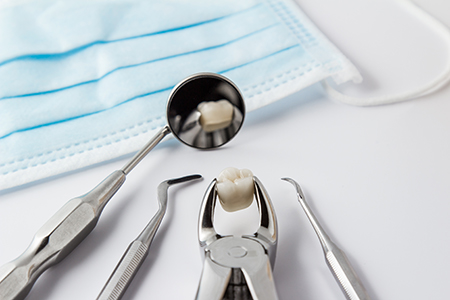
After an extraction, you may want to consider options for replacing the missing tooth to restore chewing function and appearance. Replacement choices include removable appliances, fixed bridges, and dental implants. We’ll review the pros and cons of each approach in the context of your oral health, bone condition, and personal goals.
Dental implants are often the most lifelike long-term solution because they preserve bone and offer stability similar to a natural tooth. Fixed bridges can restore function quickly when adjacent teeth are healthy and suitable for support. Removable replacements provide an affordable and flexible short- or long-term option for many patients. We’ll help you weigh these choices and recommend the best timing for replacement to protect surrounding teeth and tissues.
In some cases, additional steps such as bone grafting or ridge augmentation are recommended to prepare a site for an implant or to maintain the jawbone after extraction. These procedures are planned individually and discussed transparently so you understand the sequence of care and expected healing timeline.
Our practice emphasizes thoughtful planning, clear communication, and compassionate care. From the initial assessment through follow-up, we prioritize comfort and predictable outcomes. Our clinicians combine decades of experience with modern diagnostic tools so you receive care that is both precise and patient-centered.
We tailor each treatment to the individual, explaining the reasons for extraction, the steps involved, and the alternatives available. When collaboration with a specialist is in the patient's best interest, we coordinate seamlessly to ensure continuity of care and optimal results.
Your safety and well-being guide every decision we make. If you’re facing the prospect of a dental extraction, our team is here to answer questions, address concerns, and support you through each stage of treatment and recovery.
In summary, tooth extractions are sometimes necessary to protect oral health, relieve pain, or prepare the mouth for restorative treatment. If you would like more information about extractions or to discuss your specific situation, please contact us for guidance and next steps.
Extraction becomes necessary when conservative treatments cannot preserve a tooth or when the tooth threatens the health of adjacent teeth. Common reasons include extensive decay, severe fracture, advanced periodontal disease, impacted wisdom teeth, and primary teeth that block eruption of permanent teeth. A careful evaluation of symptoms, exam findings, and radiographs helps determine whether removal is the safest choice.
At Suezaki Family Dentistry we prioritize tooth preservation and recommend extraction only when other options are unlikely to restore function or stop disease progression. We will review alternatives, discuss the expected benefits and risks, and tailor the approach to your comfort and long-term oral health. When appropriate, we coordinate with specialists for complex surgical cases.
The distinction between a simple and a surgical extraction depends on how much of the tooth is visible and the complexity of its root anatomy. Simple extractions remove fully erupted teeth using elevators and forceps after local anesthesia, while surgical extractions involve incisions, removal of small amounts of bone, or sectioning the tooth when access is limited. Imaging and clinical assessment guide this decision so the least invasive safe method is chosen.
Your medical history, medications, and any anatomical considerations such as proximity to nerves or sinuses are part of the planning process. When risks are higher or specialized techniques are required, we may refer you to or collaborate with an oral and maxillofacial surgeon to ensure optimal outcomes. Clear preoperative instructions and a follow-up plan help manage expectations and recovery.
Appointments begin with a review of your medical and dental history and diagnostic images to confirm the plan and rule out risk factors. Local anesthesia is used to numb the area so you do not feel pain, and we can discuss sedation options for patients who experience anxiety or prefer additional comfort. The dentist will explain each step and answer your questions before beginning the procedure.
A simple extraction typically takes only a few minutes once the area is numb, while surgical extractions may take longer due to incisions or bone removal and may include sutures. After the tooth is removed, gauze is applied to help clot formation and postoperative instructions are reviewed. We schedule follow-up as needed to monitor healing and address any concerns promptly.
Preparation starts with sharing a complete medical history, including current medications, allergies, and any conditions such as bleeding disorders or immune compromise. If you take blood-thinning medications or have a heart condition, we will coordinate with your physician and adjust the plan so treatment is safe. Follow any fasting or medication instructions provided if sedation or general anesthesia is planned.
Arrange transportation if you will receive sedation and plan to rest for the remainder of the day after the procedure. Wear comfortable clothing and avoid heavy meals or alcohol before your appointment as directed by the team. Bring a list of questions and notify the office about any recent changes in your health or medications.
Extractions are common and generally safe, but like all procedures they carry some risks such as infection, prolonged bleeding, nerve irritation, and delayed healing. Dry socket is a painful condition that occurs when the blood clot at the extraction site is dislodged, exposing underlying bone and nerve endings. Understanding prevention steps and early signs helps reduce the likelihood and allows prompt treatment if problems arise.
To prevent dry socket we recommend following postoperative instructions closely: avoid vigorous rinsing, do not use straws, refrain from smoking, and limit physical exertion during the initial healing period. If you experience severe pain that increases a few days after the extraction or notice a foul taste or smell, contact the office so we can evaluate and treat you. When detected early, dry socket and most other complications can be managed effectively with in-office measures and appropriate medication.
Most patients experience initial bleeding and swelling that peak during the first 24 to 48 hours and then gradually improve over a week. Soft tissue typically heals within two to three weeks, while the underlying bone remodels over several months depending on the site. Pain is usually manageable with prescribed or over-the-counter medications and decreases significantly after the first couple of days.
Following postoperative guidelines for gauze use, oral hygiene, nutrition, and activity will support predictable healing and reduce complications. Stitches, if placed, are often resorbable or removed at a follow-up visit, and your clinician will advise when to resume normal brushing and flossing near the site. If swelling, bleeding, or pain worsens instead of improving, call the office for evaluation.
You can usually sip fluids and eat soft, lukewarm foods within a few hours once bleeding is controlled, progressing to firmer foods as comfort permits over several days. Avoid hot, spicy, or crunchy foods and do not use a straw for the first 48 to 72 hours to protect the clot. Maintaining good hydration and nutrition supports healing.
Oral hygiene should continue but be gentle around the extraction site; brush other teeth normally and begin gentle saltwater rinses after 24 hours unless instructed otherwise. Strenuous exercise should be postponed for at least 48 to 72 hours because increased blood pressure can promote bleeding and swelling. Your dentist will give specific timelines based on the complexity of your extraction and your overall health.
Wisdom teeth frequently become impacted or partially erupted because the jaw lacks space for them to emerge in alignment with other teeth. Impaction can create pockets that trap food and bacteria, leading to decay, gum disease, cyst formation, or damage to adjacent teeth. Evaluating the position of each third molar with radiographs helps determine whether removal is the best preventive or therapeutic choice.
Management of impacted wisdom teeth ranges from careful monitoring to surgical extraction that may include bone removal and sectioning of the tooth for safe removal. We discuss factors such as age, symptoms, risk to neighboring teeth, and the complexity of the impaction when recommending treatment. When surgery is indicated, detailed preoperative planning and clear postoperative care instructions improve comfort and outcomes.
After extraction, replacement options include dental implants, fixed bridges, and removable appliances, each with advantages that depend on oral health, bone volume, and patient goals. Dental implants are often recommended for long-term stability because they help preserve bone and restore function in a way that closely mimics a natural tooth. A thorough assessment of the extraction site and surrounding teeth guides the timing and selection of the best restorative approach.
The office of Suezaki Family Dentistry will review whether additional procedures such as bone grafting or ridge augmentation are needed to prepare a site for an implant or to maintain the jaw after removal. Some restorations can begin soon after extraction while others require healing time to optimize success, so we explain the pros and cons and expected timelines for each option. Collaborating with specialists when necessary ensures coordinated care and a predictable long-term result.
Contact the dental office promptly if you have persistent or worsening pain, heavy or prolonged bleeding, fever, or signs of spreading infection such as increased swelling and redness. Also reach out if you notice numbness that persists beyond the expected timeframe or any unusual drainage or an unpleasant taste that could indicate infection. Early communication allows the team to evaluate your condition and provide timely treatment.
If you have any concerns about medication reactions, difficulty breathing or swallowing, or sudden medical changes after an extraction, seek immediate care and notify the dental team as soon as possible. For routine questions about diet, activity, or follow-up scheduling, our staff can provide guidance to support healing and ensure the best possible outcome. Keeping scheduled follow-up appointments helps the dentist confirm proper healing and address any issues before they become more serious.