Modern materials and techniques have transformed tooth replacement over the past few decades. While dental implants and fixed bridgework are excellent options for many people, removable dentures remain a dependable, widely used way to restore a full, functional smile for patients who prefer or require an appliance that can be removed for cleaning and care.
At Suezaki Family Dentistry, we design and fabricate dentures using durable, biocompatible materials and careful workmanship so each prosthesis fits comfortably and looks natural. Our approach emphasizes proper support for facial contours, predictable function for speaking and chewing, and an aesthetic result that helps patients feel confident when they smile.
Every treatment plan is customized. We consider the condition of the remaining teeth and gums, jawbone health, bite relationships, and lifestyle needs to recommend the denture option most likely to meet a patient’s expectations and daily routines. Clear communication and thoughtful planning help make the process straightforward and successful.
Losing a tooth affects more than appearance. Gaps in the dental arch change how forces travel through the mouth and can alter chewing efficiency, speech clarity, and the health of the remaining teeth. When a tooth is absent, neighboring teeth can drift or tilt, creating new areas of wear and making long-term dental care more complicated.
The support teeth provide to facial soft tissues also matters: without adequate tooth structure, the lips and cheeks may appear less supported, and changes in facial contours can make the lower face look compressed or aged over time. Replacing missing teeth helps restore oral function and preserves a balanced appearance.
Addressing tooth loss sooner rather than later reduces the likelihood of further complications. A thoughtfully designed denture can restore essential oral functions and help protect the health of remaining teeth and tissues by filling spaces that otherwise invite drifting and excessive wear.
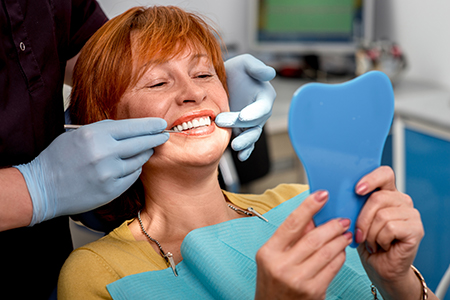
A denture is a removable dental appliance that replaces missing teeth and the surrounding gum tissue. It is composed of artificial teeth set in a base that rests on the gums and, when properly designed, mimics the look and function of natural dentition. Dentures can replace a single arch (upper or lower) or be made as partial appliances where some natural teeth remain.
Because dentures are removable, they allow easier access for cleaning both the appliance and the mouth beneath it. This capability supports good oral hygiene and gives patients the flexibility to remove their appliance at night or as needed. Modern denture teeth and base materials are designed to be durable and to resist staining while providing an esthetic tooth shape and shade.
Dentures can be used alone or in combination with other restorative approaches. For example, attachments that connect a denture to existing teeth or implants can significantly increase stability. The decision between a conventional prosthesis, a partial denture, or an implant-retained option depends on functional needs, oral health, and long-term goals discussed during the treatment planning process.
Choosing the appropriate denture begins with a full oral evaluation. We review remaining tooth structure, gum health, jawbone condition, and bite relationships to determine which type of prosthesis will provide the best balance of comfort, function, and esthetics. For some patients a partial denture is ideal; for others, a complete denture is the correct solution.
When most or all teeth in an arch are missing or must be removed, a complete denture can replace the entire dental arch. When healthy natural teeth remain, a removable partial prosthesis can fill gaps while preserving those teeth. In many cases, we can also combine a denture with implants or attachments to add retention and reduce movement during speech and chewing.
We also evaluate whether pre-prosthetic procedures — such as minor soft-tissue shaping or targeted extractions — will help the denture seat more predictably. Those preparatory steps are intended to improve comfort and the long-term fit of the appliance, and we discuss them openly so patients understand the sequence and purpose of each phase of care.
Complete dentures replace all teeth in an upper or lower arch. They are carefully contoured to match facial proportions and to provide a stable platform for the artificial teeth. A well-made complete denture restores bite relationships and helps support the lips and cheeks to create a more youthful, balanced appearance.
Some complete dentures are fabricated after the gums and supporting tissues have healed following extractions; this approach often yields the most precise, long-term fit. In other situations, a denture may be made to fit immediately after extractions so the patient never has a period without teeth. Immediate dentures are useful for maintaining appearance and function during healing, though they sometimes require adjustments or relining as tissues change.
Immediate dentures
These are placed at the time of extractions so you have teeth during the healing period. They provide instant replacement but often need fine-tuning as the gums and bone remodel during recovery.
Overdentures
An overdenture gains support from the roots of remaining teeth or from attachments placed on those teeth. This design preserves bone and improves retention compared with a conventional denture that relies solely on tissue support.
Implant-supported dentures
When a denture is anchored to strategically placed implants, the appliance becomes far more stable during function. Implant support can be used for both partial and complete dentures and is chosen when increased retention and comfort are priorities.
Partial dentures are designed to nestle among remaining teeth and fill the spaces caused by missing teeth. They often use clasps, precision attachments, or flexible frameworks to secure the appliance while preserving natural teeth and preventing unwanted tooth movement. Advances in materials provide options that are lighter, less visible, and more comfortable than older designs.
Your clinician will explain the advantages of different frameworks and tooth materials and recommend an approach that balances retention, ease of care, and aesthetics. A properly fitted partial denture helps maintain bite relationships and can slow or prevent drifting of adjacent teeth.
At Suezaki Family Dentistry, we take time to match tooth shape and shade so new teeth blend naturally with your smile and support healthy function for years to come.
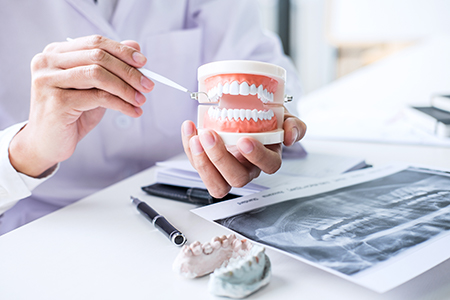
Successful dentures begin with careful planning. That starts with a thorough medical and dental history, oral examination, and, when appropriate, imaging to evaluate bone contours and jaw relationships. These diagnostics guide decisions about tooth arrangement, base contours, and whether special attachments or implants are recommended to improve stability.
Fabrication typically involves detailed impressions, models, try-ins to confirm tooth position and bite, and a final insertion visit where fit and aesthetics are refined. Each step is an opportunity to adjust the appliance to your comfort and function, and laboratory communication is essential to ensuring an accurate final result.
Good long-term outcomes depend on ongoing care. Periodic reviews let us evaluate fit, check tissue health, and perform relines or adjustments when necessary. Because oral tissues can change with time, routine follow-up helps preserve function and comfort and prevents avoidable problems.

Adjusting to a new denture takes time and patience. Initially you may notice increased saliva, small sore spots, or changes in speech and chewing. These are normal responses as muscles and tissues learn to accommodate the appliance; most issues settle down with short-term adjustments and practice.
To speed adaptation, wear the denture regularly during the day for the first few weeks, read aloud to practice speech, and begin eating with soft, easy-to-chew foods while avoiding hard or sticky items until you feel more confident. If a sore spot develops, leave the denture in place until your follow-up visit so we can see and correct the exact cause.
Caring for a denture is straightforward: rinse it after meals, brush it daily with a soft brush made for prostheses, and soak it overnight when not in use. Also keep the mouth clean by brushing any remaining teeth and massaging the gums to maintain tissue health. Avoid sleeping in a denture to give the gums a rest and promote long-term tissue resilience.
Follow-up visits and adjustments
Routine appointments allow us to check fit, make small corrections, and plan relines when tissues change. Timely follow-up improves comfort and extends the useful life of the appliance.
Relines and repairs
As the jaw and gums remodel, relines can restore intimate contact between the denture base and tissues. Repairs and adjustments performed in the dental office help keep the prosthesis functional and safe.
Our goal is to help every patient regain comfortable chewing, clear speech, and a confident smile through careful design, precise fabrication, and attentive follow-up. If you have questions about dentures or would like to explore which option might suit your needs, please contact us for more information.
A denture is a removable dental appliance that replaces missing teeth and the surrounding gum tissue with artificial teeth set in a contoured base. The base rests on the gums and is shaped to distribute chewing forces while supporting facial soft tissues to help maintain natural contours. When properly designed, a denture restores the ability to chew, speak clearly and smile with greater confidence.
Dentures can replace a single arch or be made as partial appliances when some natural teeth remain, and they are engineered to be removed for cleaning and maintenance. Modern denture teeth and base materials are durable, stain-resistant and available in a range of shades and shapes to match a patient’s appearance. Some dentures also incorporate attachments or implant connections to improve stability and function.
Good candidates for dentures include patients who have lost multiple teeth or need full-arch replacement and who prefer or require a removable solution for tooth replacement. The decision depends on remaining tooth structure, gum health, jawbone condition and overall medical history, which are evaluated during a comprehensive exam. Patients who seek a predictable way to restore chewing and speech, or who need a transitional prosthesis after extractions, often find dentures an appropriate option.
Certain medical conditions, oral hygiene ability and manual dexterity are also considered because they affect long-term maintenance and comfort. When enhanced stability is desired, some candidates may be evaluated for implant-supported or overdenture options to reduce movement and improve bite function. A thorough consultation helps determine the best denture type based on functional needs and lifestyle goals.
There are several denture styles, including complete dentures for full-arch replacement, removable partial dentures for gaps when some natural teeth remain, and immediate dentures placed at the time of extractions to avoid a period without teeth. Overdentures use retained tooth roots or attachments to preserve bone and enhance retention, while implant-supported dentures anchor to dental implants for significantly greater stability. Each type serves different clinical situations and offers distinct benefits related to support, retention and maintenance.
The choice of materials and attachment styles—such as clasps, precision attachments or implant bars—affects comfort, esthetics and ease of care. Advances in flexible frameworks and tooth materials allow for lighter, less visible options when appropriate. Your clinician will explain which style best balances appearance, function and long-term oral health for your case.
The denture process begins with a comprehensive medical and dental history, a thorough oral examination and any necessary imaging to evaluate bone contours and jaw relationships. Precise impressions and bite records are made to create diagnostic models, followed by try-in appointments to verify tooth arrangement, occlusion and esthetics prior to final fabrication. Clear planning and laboratory communication ensure the prosthesis fits predictably and meets functional goals.
Depending on the treatment plan, preparatory steps such as extractions or soft-tissue shaping may be scheduled to optimize the denture foundation, and immediate or conventional timing is discussed. Final insertion includes careful adjustments to refine fit and bite, and the clinician reviews wearing and care instructions to support successful adaptation. Routine follow-up visits are planned to monitor fit and tissue changes over time.
Adapting to new dentures commonly involves a short adjustment period during which patients may notice increased saliva, minor sore spots or temporary changes in speech and chewing. These responses are normal as oral muscles and tissues learn to accommodate the appliance, and most issues resolve with time, practice and minor adjustments. Reading aloud, practicing chewing with soft foods and wearing the denture regularly during the day can speed adaptation and improve comfort.
If sore areas persist, the best approach is to keep the denture in place until a follow-up visit so the clinician can identify and correct the exact cause. Small adjustments or relines may be required as healing and tissue remodeling occur, particularly with immediate dentures placed after extractions. Ongoing communication with the dental team helps resolve problems quickly and supports a smoother transition.
Daily denture care involves rinsing the appliance after meals, brushing it with a soft denture brush and using nonabrasive cleaners designed for prostheses to remove food and plaque. It is important to handle dentures carefully over a soft towel or a basin of water to avoid damage if they are dropped, and to soak them overnight in an appropriate solution when not being worn to help maintain shape and hygiene. Brushing any remaining natural teeth and gently massaging the gums supports oral tissue health beneath the prosthesis.
Avoid harsh household cleaners, whitening toothpaste or abrasive brushes that can scratch denture surfaces and promote staining. Regularly inspect the denture for signs of wear, cracks or loose teeth and report concerns to your clinician promptly. Routine professional evaluations allow for maintenance, cleaning and timely adjustments to preserve fit and function.
The useful life of a denture varies with materials, care and changes in the mouth, but most dentures require periodic relines, repairs or replacement over time to maintain a comfortable fit and proper function. As jawbone and gum tissues remodel, the relationship between the denture base and oral tissues changes, which can create looseness, sore spots or reduced chewing efficiency. Relines restore intimate contact between the base and tissues, while repairs address fractures or worn teeth that affect performance.
Routine follow-up visits allow the clinician to monitor tissue health and prosthesis condition and to plan relines or adjustments before problems become more significant. If you notice persistent slipping, new sore areas, or difficulty eating or speaking, prompt evaluation helps preserve comfort and prevents secondary complications. A proactive maintenance schedule extends the life of the appliance and supports ongoing oral health.
Dentures can be stabilized using dental implants, which provide attachment points that greatly reduce movement and improve chewing efficiency, comfort and patient confidence. Implant-retained dentures are suitable for both partial and complete arches and can be connected with attachments, bars or fixed restorations depending on clinical goals. The implant support helps preserve jawbone by transmitting functional forces to the bone, slowing resorption compared with tissue-supported prostheses.
Not every patient is an immediate candidate for implants; factors such as bone quantity, general health and surgical considerations are evaluated during the treatment planning process. When appropriate, combining implants with dentures yields a more stable, predictable long-term result and can simplify daily function and hygiene. Discussing implant options with your clinician clarifies whether this approach aligns with your oral health needs and goals.
Common denture-related issues include sore spots from pressure, looseness due to tissue changes, fractured bases or worn teeth, and difficulty with speech or chewing during the adaptation period. Most of these concerns are manageable with targeted adjustments, relines, repairs or refinements to tooth position and occlusion performed by the dental team. Prompt attention to new symptoms prevents small problems from becoming more significant and helps maintain oral health under the prosthesis.
Other considerations include the need to monitor the health of remaining teeth and surrounding tissues if a partial denture is used, and to evaluate for signs of tissue irritation or infection. Regular clinical reviews, good daily hygiene and timely communication with your clinician ensure that complications are addressed efficiently and that the prosthesis continues to function as intended.
To schedule follow-up care, adjustments or an initial denture consultation, contact the office directly and request an appointment with a clinician experienced in prosthetic dentistry. During follow-up visits the team will check fit, assess tissue health, perform necessary adjustments or relines and review home care instructions to support comfort and function. Timely follow-up is important because oral tissues change over time and routine evaluations help prevent avoidable problems.
If you experience sudden pain, a loose or broken prosthesis, or other urgent concerns, notify the office promptly so the team can advise you and arrange an appropriate appointment. Regularly scheduled reviews combined with good at-home maintenance help preserve the longevity and performance of your denture.