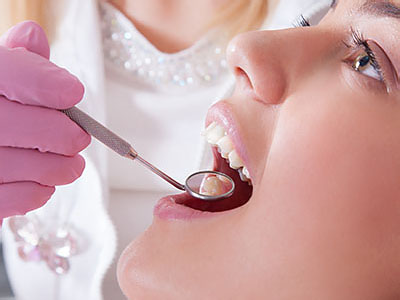
When a cavity weakens a tooth, a carefully placed filling restores its shape, strength, and ability to function. Fillings are designed to remove infected tissue, seal the area against further decay, and recreate the natural contours that allow you to bite and chew comfortably.
Tooth decay remains one of the most common oral health problems across all ages, so restorative treatments like fillings are part of routine dental care. Modern techniques emphasize conserving as much healthy tooth structure as possible while creating a durable restoration that blends with the surrounding enamel.
At Suezaki Family Dentistry, we focus on treatments that balance longevity with aesthetics. Whether you need a subtle, tooth-colored restoration in a visible area or a rugged, long-lasting solution for a back tooth, our approach is to recommend materials and methods that suit your smile and lifestyle.
Restorative dentistry has evolved from rudimentary repairs to sophisticated, biocompatible materials. Early attempts to treat dental disease are recorded throughout history, and the technologies available today reflect centuries of improvement in both materials science and clinical technique.
In the 19th and 20th centuries, metal-based restorations became widespread because of their durability. Over the past several decades, however, tooth-colored and adhesive materials have changed how clinicians restore teeth—allowing for more conservative preparation and results that more closely resemble natural enamel.
Every restoration begins with a careful assessment of the tooth and the surrounding tissues. We consider factors such as the size and location of decay, existing restorations, bite forces, and cosmetic goals before recommending a particular filling material or approach.
Conservative preparation and precise bonding techniques help preserve healthy tooth structure and reduce the risk of future problems. Our goal is to restore comfort and function while minimizing the need for more extensive treatment down the road.
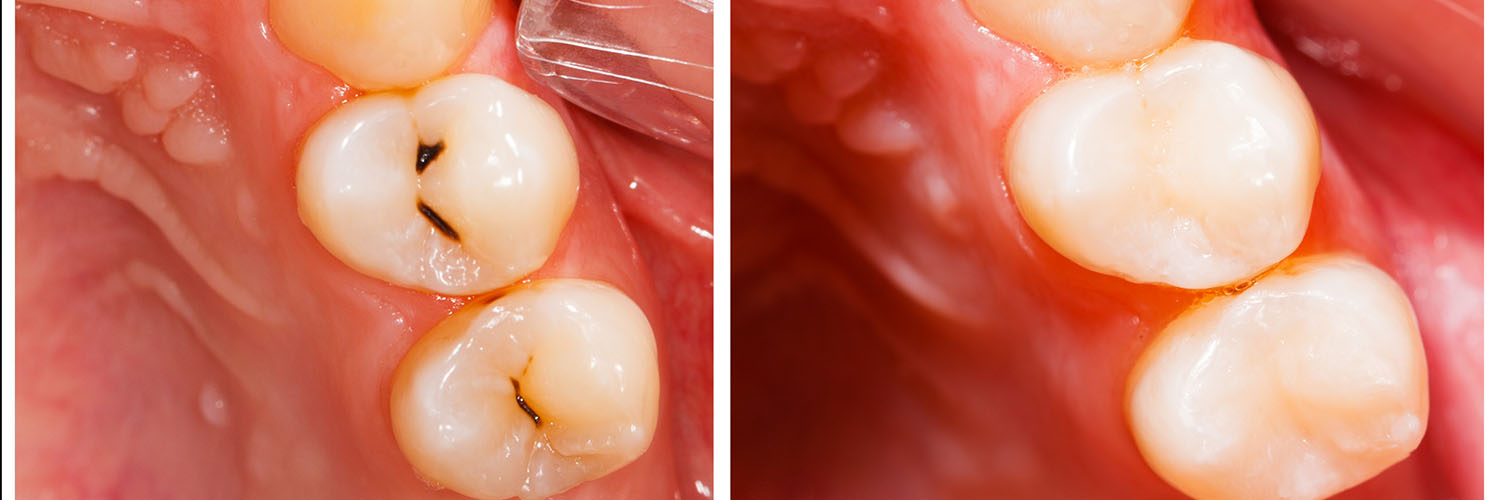
Not all fillings are created equal. Advances in dental materials have expanded the choices available so clinicians can match properties like strength, wear resistance, and appearance to each specific case. Choosing the right material helps ensure the restoration performs well over time and looks natural in the mouth.
Factors guiding material selection include the size of the cavity, its location, how much chewing pressure that tooth endures, and the patient’s aesthetic priorities. In many situations, a balance between durability and appearance produces the best outcome.
The following overview outlines the most commonly used restorative materials and explains the advantages and limitations of each so you can make an informed decision with your dental team.
Composite resins are a blend of durable polymers and glass fillers that can be color-matched to your natural teeth. They bond directly to tooth structure, allowing the dentist to preserve more enamel and dentin during preparation.
Because composites are placed in layers and hardened with a curing light, they can be shaped precisely to restore contours and contact points. With proper care, these restorations provide an attractive and functional solution for front and back teeth, though they may show wear or staining over many years and could require replacement eventually.
Amalgam has a long history of clinical success due to its durability and resistance to wear, making it a practical choice for large restorations in posterior teeth that experience heavy chewing forces.
Although not tooth-colored, these restorations remain a reliably resilient option when strength and longevity are the primary concerns.
Glass ionomer cements bond chemically to tooth structure and have the added benefit of releasing fluoride, which can help protect adjacent tooth surfaces from further decay.
These materials are often used where moisture control is challenging, for small restorations in children’s teeth, or as interim restorations. They offer good adhesion but are generally less wear-resistant than composites or ceramics.
When a tooth requires a larger, stronger restoration but a full crown is not yet necessary, an indirect option such as a porcelain inlay or onlay can provide excellent esthetics and wear resistance. These restorations are fabricated in a lab or milled in-office and then bonded to the prepared tooth.
Ceramic options are highly resistant to staining and can closely mimic the translucency and color of natural enamel, making them an attractive choice for visible areas or larger repairs.
Gold alloys remain one of the most durable and long-lasting restorative materials, with a proven record of biocompatibility and stability. They resist corrosion and can be gentle on opposing teeth when properly polished.
Because of their cost and aesthetic profile, gold restorations are less commonly selected today but remain a very effective option where longevity and fit are the priority.
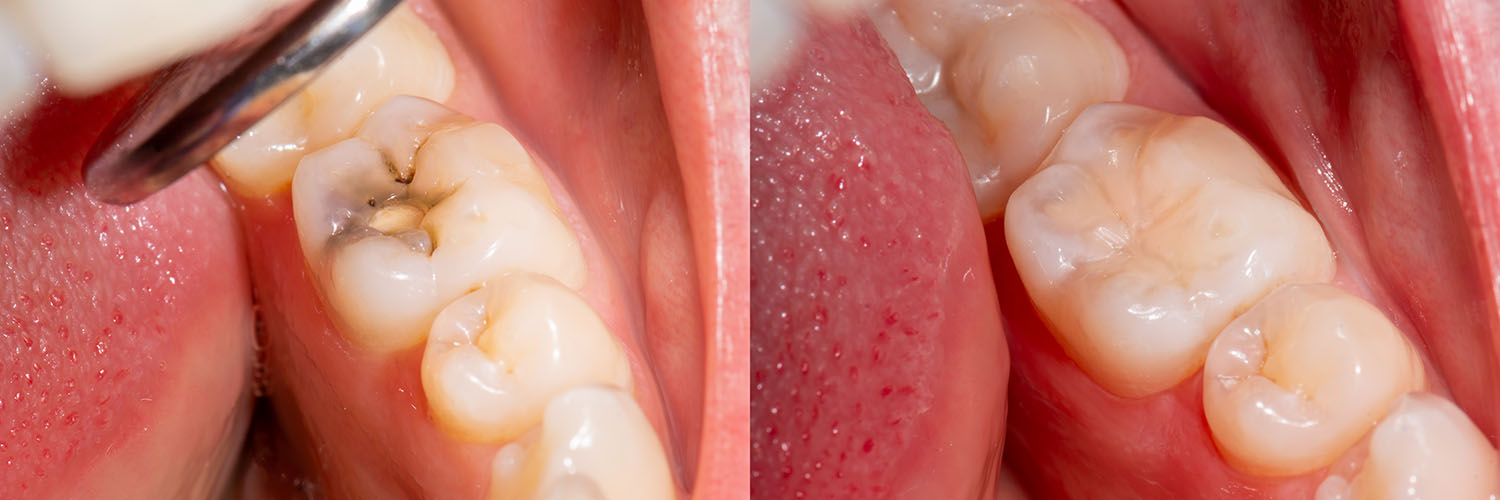
After a diagnosis, your treatment visit will typically begin with a brief review of the plan and any questions you have. We use modern techniques to minimize discomfort, and most filling appointments are straightforward and efficient.
Local anesthesia is commonly used to numb the treated area so that the procedure is comfortable. For many patients, a single tooth restoration can be completed in roughly an hour, depending on the size and complexity of the cavity.
Decay may be removed with traditional rotary instruments, or with lasers or air-abrasion tools in certain cases—each method allows precise removal of diseased tissue while preserving healthy tooth structure. After the tooth is prepared, the chosen filling material is placed, contoured, and adjusted to restore proper bite and function.
For patients who experience anxiety about dental procedures, we discuss options for relaxation and dental sedation. Our team prioritizes clear communication so you know what to expect and feel comfortable throughout your visit.
Following placement, a new filling may feel unusual for a short time as your mouth adjusts to the restored shape and your nerves recover from anesthesia. Mild sensitivity to temperature or pressure is common and typically subsides within days to weeks.
Good oral hygiene—brushing twice daily with fluoride toothpaste, flossing once daily, and maintaining regular professional cleanings—remains the most important factor in extending the life of any filling. Avoiding unusually hard or sticky foods immediately after placement helps protect a new restoration while it fully sets.
When restorations are checked periodically during routine exams, your dentist can identify early signs of wear or marginal breakdown and address them before a small problem becomes a larger one. With these preventive steps, many modern fillings provide years of reliable service.
Protect yourself while numb
After local anesthesia, avoid chewing until full sensation returns to prevent accidental biting of lips, cheeks, or tongue.
Allow for bite adjustments
Your restored tooth may feel slightly different at first. If you notice high spots or persistent discomfort, contact the office so the bite can be refined.
Expect temporary sensitivity
Short-term sensitivity to hot, cold, or pressure is common. If sensitivity increases or does not improve over time, let us know so we can evaluate the restoration and surrounding tissues.
Maintain routine care
Regular professional checkups and a consistent home care routine help protect restorations and detect issues early, improving long-term outcomes.
If you have questions about a recent filling or want to discuss options for repairing a damaged tooth, please contact us for more information.
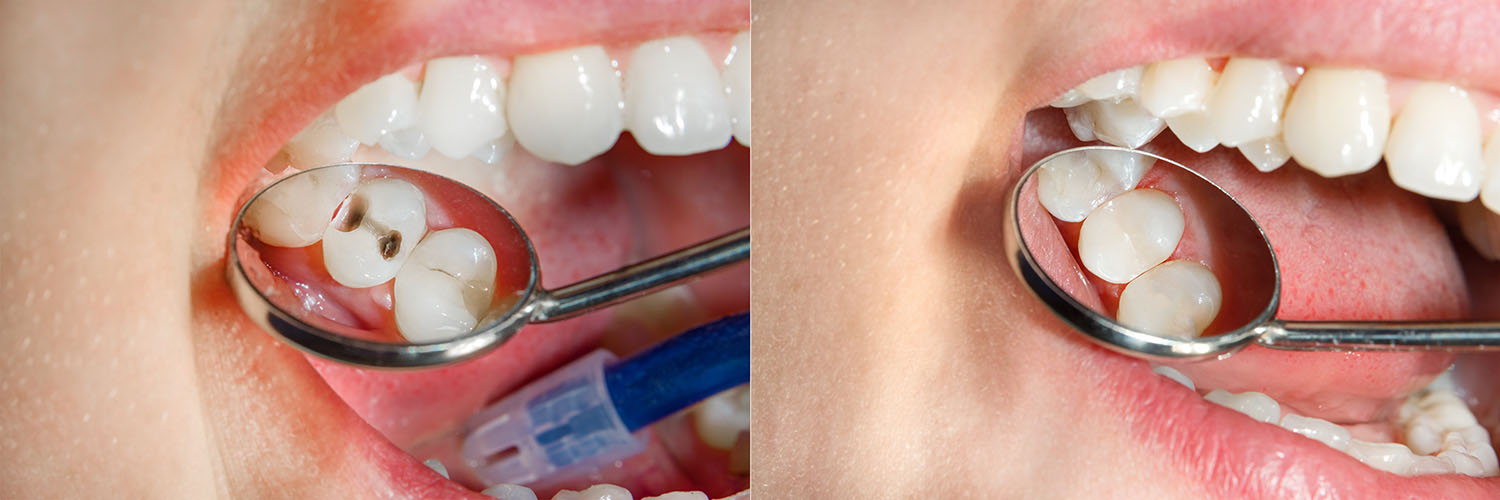
Summary: Fillings are a conservative, reliable way to treat decay and restore tooth function. Modern materials give clinicians the flexibility to match strength and appearance to each situation, and thoughtful aftercare helps restorations last. If you'd like to learn more about treatment options or what to expect at your appointment, please contact us for additional information.
Dental fillings are restorations that repair teeth damaged by decay or minor fractures and restore their normal shape and function. They remove infected or weakened tissue, seal the cavity, and recreate natural contours so you can bite and chew comfortably. Fillings also help prevent infection from spreading deeper into the tooth and reduce the likelihood of needing more extensive treatment.
Modern fillings are placed using techniques that preserve as much healthy tooth structure as possible while creating a durable bond to the remaining enamel and dentin. The objective is to restore function and appearance while minimizing the risk of recurrent decay. Regular dental exams help identify areas that may need a filling before the problem progresses.
Material selection depends on several clinical factors, including the size and location of the cavity, the amount of chewing pressure the tooth will endure, and the patient’s cosmetic priorities. Dentists also consider the condition of adjacent teeth, existing restorations, and any moisture-control challenges in the treatment area. A balanced choice reflects both durability and aesthetic needs to achieve a long-lasting, functional result.
Common options include tooth-colored composite resins, amalgam for high-wear posterior restorations, fluoride-releasing glass ionomers for select situations, and indirect ceramics or gold for larger repairs. Each material has advantages and limitations, so the dentist will explain which option best matches your clinical needs and long-term goals. When appropriate, conservative bonding techniques are used to preserve healthy tooth structure while optimizing the restoration.
A filling visit typically begins with a brief review of the diagnosis and a chance to ask questions about the planned procedure. Local anesthesia is commonly used to numb the area and ensure patient comfort, and many routine single-tooth restorations can be completed in about an hour depending on complexity. The dentist will remove decay using rotary instruments, air abrasion, or lasers when indicated, then prepare the tooth for the chosen material.
After preparation, the filling material is placed, contoured, and adjusted so the bite feels natural and contacts with neighboring teeth are restored. The dentist will check the restored tooth while you bite and make refinements to eliminate high spots or discomfort. Before you leave, the team will review aftercare instructions and answer any follow-up questions.
Tooth-colored composite resins have improved significantly and offer a strong, aesthetic option for many restorations, especially when conservative preparations are possible. Composites bond directly to tooth structure, which can strengthen the remaining tooth and allow for more conservative shaping compared with some metal restorations. With proper technique and regular maintenance, composites can perform well for many years in both front and back teeth.
However, material selection should be case-specific: amalgam and certain indirect materials may still be preferred for very large restorations or areas subject to extreme chewing forces. The dentist will discuss the trade-offs between appearance, wear resistance, and longevity to determine the best approach for each tooth. Periodic examinations help identify wear or marginal breakdown early so restorations can be maintained effectively.
After a new filling is placed, maintain excellent oral hygiene by brushing twice daily with fluoride toothpaste and flossing once daily to reduce the risk of new decay at the restoration margins. Avoid chewing very hard or sticky foods for the first day or until any temporary numbness has fully worn off to prevent accidental biting of soft tissues. If you experience mild sensitivity to temperature or pressure, this is often temporary and should gradually improve over days to weeks.
Keep routine dental visits so your dentist can monitor the restoration and identify early signs of wear or leakage. If you notice persistent sensitivity, roughness, or a change in how your bite feels, contact the office so the restoration can be evaluated and adjusted if needed. Good home care and regular professional cleanings are the most important factors in prolonging the life of any filling.
It is common to experience short-term sensitivity to hot, cold, or pressure following placement of a new filling as the tooth adjusts and nerve irritation from the procedure resolves. For most patients, this sensitivity diminishes within days to a few weeks; occasional longer-lasting sensitivity may require re-evaluation. If sensitivity increases or does not improve, the dentist will assess the restoration and surrounding tissues to determine whether adjustment or additional treatment is necessary.
The lifespan of a filling varies with material type, oral hygiene, bite forces, and oral habits such as grinding or chewing hard foods. Regular dental exams allow clinicians to detect small problems early and perform repairs or maintenance before more extensive work is needed. With proper care and monitoring, many modern restorations provide years of reliable service.
Inlays, onlays, and crowns are indirect restorations that are often recommended when a tooth has lost a large amount of structure and a direct filling would not provide adequate strength or long-term durability. These restorations are fabricated in a lab or milled in-office from ceramic, gold, or other materials and then bonded to the prepared tooth to restore form and function. They are particularly useful when the damage extends into areas where a filling would be prone to fracture or recurrent decay.
The dentist will evaluate cavity size, remaining tooth structure, occlusal forces, and aesthetic needs to decide whether a direct filling or an indirect restoration is more appropriate. Indirect restorations can offer superior wear resistance and marginal integrity for larger repairs while preserving healthy tooth structure through conservative preparation techniques. A clear explanation of the clinical reasoning helps patients understand why a more durable option may be recommended.
Whether an existing filling can be repaired or needs replacement depends on the extent of wear, marginal breakdown, recurrent decay, and the material involved. Small chips or marginal defects are sometimes repairable with direct composite material when the remaining restoration and tooth structure are stable. Repairing a restoration can preserve tooth structure and extend the life of the restoration when clinically appropriate.
When repair is not feasible due to extensive deterioration or recurrent decay beneath the restoration, replacement with a new filling or an indirect restoration may be necessary to protect the tooth. Periodic examination and radiographs help detect early changes so timely interventions can avoid more invasive treatment. Your dentist will explain the condition of the restoration and recommend the most conservative, durable option.
Glass ionomer cements are often selected for pediatric restorations because they bond chemically to tooth structure, release fluoride, and can be more forgiving in situations where moisture control is difficult. These properties make them useful for small restorations in primary teeth, interim repairs, or areas that benefit from fluoride release to help protect adjacent surfaces. Their wear resistance is generally lower than composites or ceramics, so the clinical situation and expected lifespan of the primary tooth are considered when choosing this material.
For children, the dentist will balance durability, ease of placement, and preventive benefits when recommending a material. Behavior management and the child’s ability to tolerate treatment also influence the approach, and minimally invasive techniques are preferred whenever possible. Regular recall visits ensure that pediatric restorations are monitored and maintained until exfoliation or replacement by permanent teeth.
Contemporary restorative dentistry emphasizes conservative preparation and adhesive techniques that bond directly to enamel and dentin, allowing clinicians to remove only the diseased tissue and retain more of the natural tooth. Tools such as air abrasion, adhesive systems, and improved bonding agents enable precise cavity shaping and reliable retention without the extensive removal of tooth structure required by older methods. Preserving healthy tooth structure improves long-term tooth strength and reduces the likelihood of needing more invasive treatment in the future.
Digital technologies, improved materials, and refined clinical protocols also contribute to better-fitting, longer-lasting restorations with more natural aesthetics. When indirect restorations are indicated, in-office milling and CAD/CAM workflows can produce conservative fits that preserve adjacent tooth surfaces. Combining sound clinical judgment with modern materials and techniques helps achieve functional, durable, and minimally invasive outcomes.
If you have concerns about a tooth that may need a filling or want to discuss options for an existing restoration, contact the office of Suezaki Family Dentistry to schedule an evaluation. During the visit, the dentist will perform a thorough exam, review radiographs if needed, and explain the recommended treatment along with aftercare instructions. Clear communication about clinical findings and available options helps you make an informed decision about your care.
Routine dental exams and professional cleanings also play an important role in identifying problems early and preventing the need for larger restorations. If you experience pain, sensitivity, or a change in a previously restored tooth, arrange an appointment so the situation can be assessed promptly. Ongoing preventive care and timely treatment help maintain oral health and the longevity of restorations.