At Suezaki Family Dentistry, we believe a healthy smile starts with consistent, professional care. If you are looking for dental cleanings in East San Jose, our experienced team provides a comfortable and supportive environment for patients of all ages, ensuring every visit feels welcoming. Routine professional cleanings are essential for long-term oral health, as they remove plaque and tartar buildup that daily brushing and flossing simply cannot reach.
Our comprehensive approach combines clinical expertise with genuine compassion to help you maintain a cleaner, healthier mouth. During your visit, we provide a thorough evaluation to catch potential issues early, helping to prevent systemic health concerns linked to gum disease. Whether you are coming in for a standard preventive cleaning or a more specialized treatment, we are dedicated to walking you through the process so you can leave our office with a brighter, more confident smile.
A professional dental cleaning, known clinically as oral prophylaxis, is a thorough cleaning of your teeth and gums performed by a licensed dental hygienist or dentist. During this procedure, your provider will remove plaque (a sticky film of bacteria) and tartar (hardened plaque, also called calculus) from the surfaces of your teeth and along the gumline. These are substances that accumulate daily and, if left untreated, can lead to tooth decay and gum disease (periodontitis).
Dental cleanings go beyond what you can achieve on your own at home. Toothbrushes and floss are effective for daily maintenance, but they cannot reach the hardened calculus deposits that form over time. A professional cleaning uses specialized instruments, including ultrasonic scalers and hand scalers, to gently break down and remove these deposits without harming the enamel (the hard outer coating of your teeth).
For our patients visiting us as a general dentist in East San Jose, dental cleanings are also an opportunity for a comprehensive oral health evaluation. Your provider will examine your teeth, gums, and surrounding tissues for any early signs of concern, which allows for timely intervention before small issues become larger problems.
If it has been a while since your last visit, or if this is your first time coming to see us, you might be wondering what the process actually looks like. Understanding what to expect can go a long way toward reducing any anxiety you might feel before your appointment. Our team at Suezaki Family Dentistry is always happy to walk you through each step as we go.
Before the cleaning begins, your dental hygienist will perform a visual examination of your mouth using a small mirror (dental explorer) to check for any obvious signs of concern, such as inflamed gums, cavities, or unusual tissue changes. If anything significant is found, the dentist may be consulted before proceeding. This initial assessment ensures that the appropriate type of cleaning is performed for your specific oral health needs.
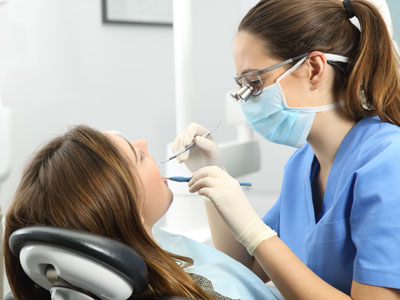
The core of the cleaning involves scaling, which is the removal of plaque and tartar from all tooth surfaces and along the gumline. Depending on the amount of buildup present, your hygienist may use an ultrasonic scaler (which uses vibrations and water to dislodge deposits) and hand scalers (small metal instruments with curved tips) to carefully clean between teeth and below the gumline. You may hear a gentle scraping sound during this step, which is completely normal.
After scaling, your hygienist will polish your teeth using a gritty toothpaste (prophylaxis paste) and a rotary rubber cup. This step buffs away light surface stains and creates a smooth tooth surface that is harder for plaque to adhere to between visits. Most patients find this step satisfying and enjoy the clean, smooth feeling it produces.
Your hygienist will thoroughly floss between all of your teeth to remove any remaining debris and check the health of your gum tissue. This is also an excellent opportunity to identify any areas where your gums bleed easily, which can be an early indicator of gum disease. A fluoride rinse or fluoride treatment (a mineral that helps strengthen tooth enamel) may be applied at the end to help protect your teeth between visits.
Following the cleaning, the dentist will perform a comprehensive examination of your teeth, gums, bite (occlusion), jaw joints (temporomandibular joints, or TMJ), and soft tissues including the tongue, cheeks, and throat. Dental X-rays (radiographs) may be taken depending on when your last images were taken and your current clinical presentation. This full evaluation ensures that no developing issues are missed.
Not all dental cleanings are the same. The type of cleaning recommended for you will depend on the current state of your gum health and how long it has been since your last professional visit. As your trusted general dentist in East San Jose, we will assess your needs and recommend the most appropriate level of care.
A prophylaxis cleaning, commonly called a prophy, is the standard cleaning recommended for patients with generally healthy gums who are on a regular schedule. It focuses on removing plaque, tartar, and stains from the visible surfaces of the teeth and just below the gumline. This is the type of teeth cleaning in East San Jose that most patients receive during their twice-yearly visits.
Scaling and root planing, often called a deep cleaning, is recommended for patients who have developed periodontal disease (gum disease involving bone loss or deep pocket depths). This procedure goes deeper below the gumline than a standard cleaning and involves smoothing the root surfaces of teeth to help gum tissue reattach properly. It is typically performed in quadrants (sections of the mouth) and may require a local anesthetic (numbing injection) for patient comfort.
For patients who have previously been treated for periodontal disease, a periodontal maintenance cleaning is prescribed more frequently, typically every three to four months. This type of cleaning helps keep gum disease under control by monitoring pocket depths and removing bacteria before it can re-establish itself at harmful levels. It is an ongoing commitment to managing a chronic condition, not a one-time fix.
The American Dental Association generally recommends a professional dental cleaning every six months to maintain optimal oral health. However, this is a flexible guideline rather than a universal rule. At Suezaki Family Dentistry, we customize your visit frequency based on your unique health profile, ensuring your care matches your specific needs.
Patients managing conditions like gum disease, diabetes, or chronic dry mouth may require more frequent visits—typically every three to four months—to prevent complications. Regardless of your schedule, consistent appointments are vital because they allow us to detect underlying issues that are invisible to the naked eye. Investing in regular preventive care remains the most affordable and effective way to avoid invasive treatments down the road.
The connection between oral health and overall health is well established in medical literature. Research has linked untreated gum disease to systemic conditions including cardiovascular disease, diabetes complications, and respiratory issues. By maintaining routine dental cleaning in East San Jose, you are investing not just in your smile, but in your overall wellbeing.
Gum disease often progresses silently in its early stages, a condition known as gingivitis (inflammation of the gum tissue). Without regular professional care, gingivitis can advance into periodontitis, a more serious infection that affects the bone and connective tissue supporting your teeth. The good news is that gingivitis is largely preventable and reversible when caught early, which is exactly what routine cleanings help achieve.
Beyond disease prevention, professional cleanings also help with cosmetic outcomes. The polishing step at the end of a cleaning removes surface stains caused by coffee, tea, wine, and other foods, leaving your teeth looking noticeably cleaner and brighter. Many patients leave their cleaning appointments with renewed confidence in their smile.
Preparing for a dental cleaning is straightforward, but a few simple steps can help your appointment go smoothly. Before your visit, brush and floss your teeth as you normally would. There is no need to do anything special, but arriving with a clean mouth allows your hygienist to focus more closely on the areas that need professional attention rather than removing surface-level debris.
If you take any medications, including over-the-counter supplements, bring a current list to share with your provider. Certain medications can affect your oral health, cause dry mouth, or affect bleeding, all of which are relevant to your care plan. If you have any known dental anxiety (dental phobia), please let us know in advance so we can make accommodations to help you feel more at ease during your visit.
If it has been longer than a year since your last dental visit, do not let embarrassment hold you back. We truly see patients at every stage of oral health, and our team approaches each appointment with compassion rather than judgment. The most important step is simply making the appointment and showing up.
After a professional cleaning, most patients enjoy the immediate feeling of smoother, cleaner teeth. While a standard cleaning might leave your gums slightly sensitive for a day or two, especially if significant tartar was removed, any discomfort is usually mild and temporary. To ensure a quick recovery and maintain your fresh results, keep the following tips in mind:
Soothe Sensitivity: Rinse with warm salt water to calm any minor gum irritation.
Manage Tenderness: Use over-the-counter relievers like ibuprofen if you’ve had a deep cleaning.
Daily Maintenance: Brush twice daily with fluoride toothpaste and a soft-bristled brush.
Consistent Flossing: Clean between your teeth at least once a day to prevent new buildup.
The most effective way to protect your investment is through diligent home care and making mindful dietary choices. By combining professional cleanings with a solid daily routine, you create a strong foundation for lifelong oral health and a brighter smile.
At Suezaki Family Dentistry, we proudly provide comprehensive care for the whole family, from toddlers experiencing their first checkup to seniors maintaining their lifelong smiles. Introducing children to professional cleanings early on is essential for building healthy habits and reducing dental anxiety. We recommend scheduling a child’s first visit by their first birthday or shortly after their first tooth appears, focusing on building a positive relationship with the dentist while ensuring their development is on the right track.
To make the experience positive for our youngest patients, we adapt our cleaning process to be gentle, engaging, and age-appropriate. Our team uses simple language to explain every step, demystifying the visit and helping children feel at ease. Along with routine cleanings, we offer additional preventive tools like fluoride treatments and dental sealants to provide a strong defense against cavities, ensuring a healthy foundation for every member of your family.
Your long-term oral health is an investment that pays off in a confident, pain-free smile. Whether it has been six months or several years since your last visit, the team at Suezaki Family Dentistry is ready to provide the high-quality, compassionate care you deserve. Contact our office today to schedule your professional dental cleaning and take a proactive step toward a healthier future for you and your family.
A professional dental cleaning is a preventive procedure performed by a licensed dental hygienist to remove plaque, calculus (tartar), and surface stains from teeth. The process targets areas that are difficult to clean at home, including between teeth and below the gumline, where bacteria accumulate and contribute to decay and gum disease. Beyond cleaning, the appointment often includes a clinical inspection to note any early signs of oral disease.
Cleanings are part of a broader preventive strategy that supports long-term oral health and helps preserve natural tooth structure. During the visit, clinicians may recommend personalized home-care tips and a recall interval based on the patient’s risk factors. At Suezaki Family Dentistry we use evidence-based techniques to deliver thorough, comfortable cleanings that emphasize prevention and education.
Regular dental cleanings interrupt the cycle of plaque accumulation and bacterial growth that leads to cavities and periodontal disease. When plaque hardens into tartar it becomes difficult to remove with routine brushing and flossing, and professional removal reduces inflammation and the risk of progressive tissue breakdown. Cleanings also give clinicians the opportunity to detect early changes such as gum recession, pocket formation, or unusual wear patterns.
Maintaining healthy oral tissues through routine cleanings supports overall well-being, since chronic oral inflammation can influence systemic health over time. While a cleaning is not a cure-all, it is a practical, evidence-informed step that lowers bacterial burden and helps control inflammation. Early detection and management of minor problems often prevents the need for more invasive treatments later on.
The standard recommendation for many patients is a cleaning every six months, which balances practical scheduling with effective plaque control for average-risk individuals. However, the optimal interval is individualized based on factors such as a person’s medical history, periodontal status, smoking, saliva flow, and the presence of restorations or implants. Your dental team will assess these risk factors and recommend a customized recall schedule.
Some patients with stable gums and excellent home care may safely extend intervals, while those with active gum disease, a history of rapid decay, or systemic conditions like diabetes may benefit from more frequent visits. Regular reassessment ensures the chosen interval still meets clinical needs and adjusts as circumstances change. Consistent follow-up helps maintain improvements achieved during professional treatment.
A modern cleaning typically begins with a focused oral assessment, including charting of gum measurements and review of any restorations or areas of concern. Hygienists then remove plaque and tartar using a combination of ultrasonic scalers to break up heavy deposits and hand instruments to refine hard-to-reach spaces. After deposit removal, tooth surfaces are smoothed and polished to reduce places where plaque can rapidly re-accumulate, and a fluoride or protective varnish may be applied when appropriate.
Throughout the appointment, clinicians monitor patient comfort and sensitivity and adjust techniques as needed to minimize discomfort. Technology such as intraoral cameras and digital radiography can document findings and help explain conditions to patients. The visit concludes with tailored home-care recommendations and an agreed-upon recall plan to support ongoing oral health.
A routine prophylaxis (regular cleaning) focuses on removing plaque and tartar above and just below the gumline for patients with healthy or mildly inflamed gums. Scaling and root planing, often called a deep cleaning, is a more intensive procedure used to treat established periodontal disease by thoroughly removing deposits from deeper pockets and smoothing root surfaces to promote tissue reattachment. The depth of pocketing and degree of inflammation determine which approach is clinically appropriate.
Following scaling and root planing, patients frequently enter a periodontal maintenance program with more frequent cleanings and monitoring to control disease progression. The treatment plan is based on clinical measurements, bleeding on probing, and radiographic evidence rather than on appearance alone. Maintaining the improvements achieved with deep cleaning requires disciplined home care and adherence to the recommended recall interval.
Ultrasonic scalers are safe and effective instruments that use gentle vibrations and a water spray to loosen and remove heavy deposits quickly. They are commonly used in combination with hand instruments to balance efficiency and precision, and their power settings are adjustable to accommodate patient comfort and sensitivity. The water irrigation helps control heat and flushes debris from the gumline, improving visibility and cleanliness during the procedure.
Some patients experience transient sensitivity during or after scaling, and clinicians can manage comfort by modifying technique, using topical desensitizing agents, or providing brief breaks during treatment. Communication with the hygienist about sensitivity or anxiety helps guide a more comfortable appointment. For patients with specific medical devices or conditions, the dental team will review safety considerations and adapt the approach as needed.
Preparing for a cleaning is straightforward: arrive with a current list of medications and bring any relevant medical information or updates for the dental team. Notify staff about changes in your medical history, recent procedures, pregnancy, or any symptoms such as persistent bleeding or pain so the clinician can tailor the visit appropriately. If you experience an active oral infection or are feeling unwell, call ahead to reschedule to protect your health and that of the clinical team.
Avoiding heavy meals immediately before a cleaning is a matter of personal comfort rather than necessity, but good oral hygiene that morning can help the clinician evaluate baseline plaque control. If you have heightened anxiety, discuss strategies such as breaks, music, or relaxation techniques with the team in advance. Clear communication ensures the appointment meets your clinical needs while prioritizing comfort and safety.
Dental cleanings for children are adapted to their developmental stage and attention span, using gentle techniques and shorter visit segments when needed. Hygienists focus on removing plaque and demonstrating age-appropriate brushing and interdental cleaning techniques for both the child and caregiver. Fluoride varnish and preventive counseling on diet and pacifier or thumb-sucking habits are often part of a pediatric visit to support long-term enamel health.
Early and positive experiences establish habits that protect oral health over a lifetime, so clinicians emphasize education and gradual familiarization with dental care routines. Recall intervals are set based on the child’s risk of decay, orthodontic considerations, and eruption patterns. Coordination with parents ensures consistent home care and timely monitoring as permanent teeth emerge.
Effective daily home care is the foundation of gum health and reduces the burden placed on professional cleanings. Brush with a soft-bristled toothbrush using a fluoridated toothpaste twice daily, and clean between teeth once a day with floss, interdental brushes, or water flossers to remove plaque from contact areas. Consistent technique, gentle pressure, and covering all tooth surfaces are more important than forceful brushing, which can contribute to recession over time.
Nutrition and lifestyle choices also influence gum health; limiting frequent sugar and acidic exposures helps protect enamel, and avoiding tobacco significantly lowers the risk of periodontal disease. If you have dry mouth, certain medications, or other conditions that affect saliva flow, talk to your dental team for tailored strategies. Regular professional visits combined with disciplined home care create the best opportunity to prevent disease and preserve natural teeth.
Periodontal maintenance is recommended for patients who have been treated for periodontal disease or who show clinical signs of ongoing attachment loss and pocketing. This specialized form of cleaning occurs more frequently than routine prophylaxis and focuses on controlling bacterial levels within periodontal pockets, assessing pocket depths, and managing inflammation to prevent recurrence. The procedures may include more thorough scaling, targeted subgingival debridement, and careful monitoring of healing.
A maintenance program is tailored to each patient’s response to therapy, with intervals often ranging from three to four months depending on disease severity and stability. The dental team documents changes over time and collaborates with the patient on home-care adjustments and risk factor management. For patients with a history of periodontal disease, adherence to maintenance visits is a key element in preserving long-term oral health and function at Suezaki Family Dentistry.