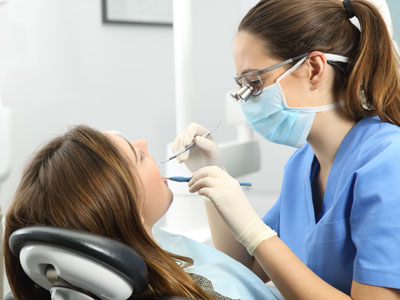
Even with a careful home routine, the mouth develops areas that are difficult to clean on your own. Professional dental cleanings are designed to reach those places and remove the deposits that can lead to cavities, gum inflammation, and other oral health problems. Regular visits give you more than a polished smile — they provide a proactive foundation for lasting dental health.
Everyday brushing and flossing remove a lot of plaque, but microscopic films and hardened deposits (tartar) can persist in tight spaces between teeth and beneath the gumline. When left in place, these materials feed bacteria that produce acids and inflammation, which over time contribute to tooth decay and periodontal disease. Professional cleaning interrupts that process by mechanically removing the buildup and creating a cleaner environment for the mouth to stay healthy.
Routine cleanings also allow clinicians to monitor subtle changes that patients may not notice. Early signs of gum recession, pockets forming around teeth, or unusual wear patterns can be detected during a cleaning appointment. Catching these issues early often makes them easier to manage and reduces the likelihood of more invasive treatments later on.
Beyond the local benefits, maintaining oral health through regular cleanings supports overall well-being. Research increasingly connects chronic oral inflammation with systemic conditions such as cardiovascular disease and diabetes. While a cleaning is not a cure-all, it is a practical, evidence-based step that contributes to general health by keeping bacterial levels and inflammation under control.
A typical cleaning appointment is a blend of careful inspection, targeted removal of deposits, and preventive care. The visit usually begins with an assessment of the gums, teeth, and any restorations you may have, noting areas of concern. This is followed by the removal of plaque and tartar using instruments that range from hand scalers to ultrasonic devices that loosen debris with gentle vibrations and water spray.
After the hard deposits are cleared, hygienists smooth the tooth surfaces to reduce places where plaque can quickly re-accumulate. Many clinicians finish with a polishing step that removes superficial staining and leaves the teeth feeling clean. If desired or clinically appropriate, a topical fluoride or protective coating may be applied to strengthen enamel and help resist demineralization between visits.
Throughout the appointment, hygiene professionals will watch for signs of sensitivity or discomfort and adjust their approach. For most patients, routine cleanings are comfortable, but when sensitivity or deeper gum issues are present, clinicians can take extra steps to minimize discomfort so the visit remains productive and stress-free.
Modern dental cleanings use a combination of instruments chosen for effectiveness and patient comfort. Ultrasonic scalers are frequently used to dislodge stubborn deposits quickly and efficiently, while hand instruments provide precision in areas that need careful attention. Both approaches are complementary — the ultrasonic device addresses bulk buildup and the hand scalers refine the work around delicate areas.
Adjunctive tools and technologies play a role as well. Intraoral cameras and digital radiography allow hygienists and dentists to see beneath the surface and document changes over time, while polishing instruments and non-abrasive pastes remove surface staining without harming enamel. For patients with more advanced gum disease, additional procedures such as deeper periodontal maintenance may be recommended to address pockets below the gumline.
Ultimately, the goal is to combine these methods into a personalized plan. Individual risk factors — including a patient’s medical history, saliva chemistry, and daily oral hygiene habits — influence which tools and techniques are most appropriate. A tailored approach helps maximize the benefit of each cleaning and supports healthier outcomes between visits.
Professional cleanings are one important pillar of preventive care, but home habits are the other. Effective daily routines include brushing with an appropriate toothbrush and technique, cleaning between teeth with floss or interdental cleaners, and using mouth rinses when recommended. Small, consistent actions at home reduce the workload at your next professional cleaning and lower your risk of gum disease and cavities.
Nutrition and lifestyle choices also matter. Foods and beverages high in sugar or acidity increase the potential for enamel erosion and bacterial growth, while smoking and tobacco use significantly raise the risk of gum disease. Clinicians can provide practical, patient-specific guidance about habits that affect oral health and suggest realistic adjustments to support long-term success.
Follow-up intervals are another important consideration. While a six-month frequency is common and effective for many people, some patients benefit from more frequent visits based on their risk profile. Your dental team will recommend an interval that balances convenience with the need to manage plaque levels and monitor oral tissues effectively.
At Suezaki Family Dentistry we prioritize preventive care that is both gentle and grounded in clinical best practices. Our hygienists focus on thorough, conservative cleanings that preserve tooth structure while addressing the bacterial causes of decay and gum disease. Clear communication during each visit helps patients understand their current oral health and the steps they can take to protect it.
We view each cleaning as an opportunity to partner with patients — assessing risk factors, reinforcing good habits, and intervening when early signs of trouble appear. This collaborative approach emphasizes education and empowerment, giving patients the tools and knowledge they need to maintain healthier mouths between professional visits.
Whether you visit for a routine check-in or require more focused periodontal care, our team is committed to delivering calm, competent care that prioritizes your comfort and outcomes. Regular cleanings are a simple, high-value step in the broader plan to preserve teeth, protect gums, and support overall health.
In summary, professional dental cleanings are essential preventive care that protect your teeth, gums, and general health. They remove deposits home care can miss, provide early detection of problems, and strengthen the effects of your daily routine. Contact us to learn more about how regular cleanings can fit into your long-term oral health plan and to schedule an appointment for personalized care and guidance.
A professional dental cleaning is a preventive procedure performed by a licensed dental hygienist to remove plaque, calculus (tartar), and surface stains from teeth. The process targets areas that are difficult to clean at home, including between teeth and below the gumline, where bacteria accumulate and contribute to decay and gum disease. Beyond cleaning, the appointment often includes a clinical inspection to note any early signs of oral disease.
Cleanings are part of a broader preventive strategy that supports long-term oral health and helps preserve natural tooth structure. During the visit, clinicians may recommend personalized home-care tips and a recall interval based on the patient’s risk factors. At Suezaki Family Dentistry we use evidence-based techniques to deliver thorough, comfortable cleanings that emphasize prevention and education.
Regular dental cleanings interrupt the cycle of plaque accumulation and bacterial growth that leads to cavities and periodontal disease. When plaque hardens into tartar it becomes difficult to remove with routine brushing and flossing, and professional removal reduces inflammation and the risk of progressive tissue breakdown. Cleanings also give clinicians the opportunity to detect early changes such as gum recession, pocket formation, or unusual wear patterns.
Maintaining healthy oral tissues through routine cleanings supports overall well-being, since chronic oral inflammation can influence systemic health over time. While a cleaning is not a cure-all, it is a practical, evidence-informed step that lowers bacterial burden and helps control inflammation. Early detection and management of minor problems often prevents the need for more invasive treatments later on.
The standard recommendation for many patients is a cleaning every six months, which balances practical scheduling with effective plaque control for average-risk individuals. However, the optimal interval is individualized based on factors such as a person’s medical history, periodontal status, smoking, saliva flow, and the presence of restorations or implants. Your dental team will assess these risk factors and recommend a customized recall schedule.
Some patients with stable gums and excellent home care may safely extend intervals, while those with active gum disease, a history of rapid decay, or systemic conditions like diabetes may benefit from more frequent visits. Regular reassessment ensures the chosen interval still meets clinical needs and adjusts as circumstances change. Consistent follow-up helps maintain improvements achieved during professional treatment.
A modern cleaning typically begins with a focused oral assessment, including charting of gum measurements and review of any restorations or areas of concern. Hygienists then remove plaque and tartar using a combination of ultrasonic scalers to break up heavy deposits and hand instruments to refine hard-to-reach spaces. After deposit removal, tooth surfaces are smoothed and polished to reduce places where plaque can rapidly re-accumulate, and a fluoride or protective varnish may be applied when appropriate.
Throughout the appointment, clinicians monitor patient comfort and sensitivity and adjust techniques as needed to minimize discomfort. Technology such as intraoral cameras and digital radiography can document findings and help explain conditions to patients. The visit concludes with tailored home-care recommendations and an agreed-upon recall plan to support ongoing oral health.
A routine prophylaxis (regular cleaning) focuses on removing plaque and tartar above and just below the gumline for patients with healthy or mildly inflamed gums. Scaling and root planing, often called a deep cleaning, is a more intensive procedure used to treat established periodontal disease by thoroughly removing deposits from deeper pockets and smoothing root surfaces to promote tissue reattachment. The depth of pocketing and degree of inflammation determine which approach is clinically appropriate.
Following scaling and root planing, patients frequently enter a periodontal maintenance program with more frequent cleanings and monitoring to control disease progression. The treatment plan is based on clinical measurements, bleeding on probing, and radiographic evidence rather than on appearance alone. Maintaining the improvements achieved with deep cleaning requires disciplined home care and adherence to the recommended recall interval.
Ultrasonic scalers are safe and effective instruments that use gentle vibrations and a water spray to loosen and remove heavy deposits quickly. They are commonly used in combination with hand instruments to balance efficiency and precision, and their power settings are adjustable to accommodate patient comfort and sensitivity. The water irrigation helps control heat and flushes debris from the gumline, improving visibility and cleanliness during the procedure.
Some patients experience transient sensitivity during or after scaling, and clinicians can manage comfort by modifying technique, using topical desensitizing agents, or providing brief breaks during treatment. Communication with the hygienist about sensitivity or anxiety helps guide a more comfortable appointment. For patients with specific medical devices or conditions, the dental team will review safety considerations and adapt the approach as needed.
Preparing for a cleaning is straightforward: arrive with a current list of medications and bring any relevant medical information or updates for the dental team. Notify staff about changes in your medical history, recent procedures, pregnancy, or any symptoms such as persistent bleeding or pain so the clinician can tailor the visit appropriately. If you experience an active oral infection or are feeling unwell, call ahead to reschedule to protect your health and that of the clinical team.
Avoiding heavy meals immediately before a cleaning is a matter of personal comfort rather than necessity, but good oral hygiene that morning can help the clinician evaluate baseline plaque control. If you have heightened anxiety, discuss strategies such as breaks, music, or relaxation techniques with the team in advance. Clear communication ensures the appointment meets your clinical needs while prioritizing comfort and safety.
Dental cleanings for children are adapted to their developmental stage and attention span, using gentle techniques and shorter visit segments when needed. Hygienists focus on removing plaque and demonstrating age-appropriate brushing and interdental cleaning techniques for both the child and caregiver. Fluoride varnish and preventive counseling on diet and pacifier or thumb-sucking habits are often part of a pediatric visit to support long-term enamel health.
Early and positive experiences establish habits that protect oral health over a lifetime, so clinicians emphasize education and gradual familiarization with dental care routines. Recall intervals are set based on the child’s risk of decay, orthodontic considerations, and eruption patterns. Coordination with parents ensures consistent home care and timely monitoring as permanent teeth emerge.
Effective daily home care is the foundation of gum health and reduces the burden placed on professional cleanings. Brush with a soft-bristled toothbrush using a fluoridated toothpaste twice daily, and clean between teeth once a day with floss, interdental brushes, or water flossers to remove plaque from contact areas. Consistent technique, gentle pressure, and covering all tooth surfaces are more important than forceful brushing, which can contribute to recession over time.
Nutrition and lifestyle choices also influence gum health; limiting frequent sugar and acidic exposures helps protect enamel, and avoiding tobacco significantly lowers the risk of periodontal disease. If you have dry mouth, certain medications, or other conditions that affect saliva flow, talk to your dental team for tailored strategies. Regular professional visits combined with disciplined home care create the best opportunity to prevent disease and preserve natural teeth.
Periodontal maintenance is recommended for patients who have been treated for periodontal disease or who show clinical signs of ongoing attachment loss and pocketing. This specialized form of cleaning occurs more frequently than routine prophylaxis and focuses on controlling bacterial levels within periodontal pockets, assessing pocket depths, and managing inflammation to prevent recurrence. The procedures may include more thorough scaling, targeted subgingival debridement, and careful monitoring of healing.
A maintenance program is tailored to each patient’s response to therapy, with intervals often ranging from three to four months depending on disease severity and stability. The dental team documents changes over time and collaborates with the patient on home-care adjustments and risk factor management. For patients with a history of periodontal disease, adherence to maintenance visits is a key element in preserving long-term oral health and function at Suezaki Family Dentistry.