Precision-crafted ceramic restorations designed and placed in a single appointment using advanced CEREC technology.
Same-day restorations that respect your time and oral health
CEREC combines digital design and chairside fabrication to complete restorations in a single visit. The streamlined workflow reduces the number of appointments needed while delivering outcomes that meet both functional and cosmetic goals. For patients, that means less time in the dental chair overall and a predictable, efficient treatment experience.
Beyond convenience, CEREC supports conservative dentistry: restorations can be planned to preserve as much healthy tooth structure as possible. With modern ceramic materials and precise bonding protocols, a same-day crown or onlay can restore chewing function and protect the remaining tooth for years to come.
Every step is guided by digital data—high-resolution scans, software-driven design, and automated milling—so the final restoration is tailored to each patient’s bite, shade, and smile architecture. This approach gives clinicians more control over the outcome and helps patients leave the office with a comfortable, natural-looking result.
Complete crowns and onlays in one visit—what to expect
A typical CEREC appointment follows a clear sequence: the tooth is prepared, a digital scan captures the exact shape and neighboring teeth, the restoration is designed using CAD software, and a chairside milling unit fabricates the ceramic piece while you wait. After finishing touches and careful adjustments, the restoration is bonded in place and polished to blend with surrounding teeth.
This single-visit model eliminates the need for temporary crowns and reduces the risk of sensitivity or contamination that can occur between appointments. Because the restoration is crafted from a high-quality ceramic block, it can achieve lifelike translucency and color matching that complements a patient’s natural enamel.
The precision of digital impressions also means fewer post-placement adjustments. By starting with a highly accurate 3D model of the mouth, the design process accounts for occlusion and contact points, resulting in a restoration that functions well from day one.
How digital CAD/CAM brings clinical control to every restoration
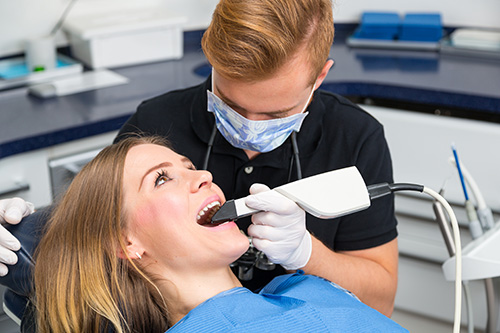
CEREC uses CAD/CAM (computer-aided design/computer-aided manufacturing) to translate intraoral scans into precise, manufacturable restorations. The intraoral scanner captures detailed 3D information without traditional impression materials, producing a digital model that the dentist can inspect and refine on-screen.
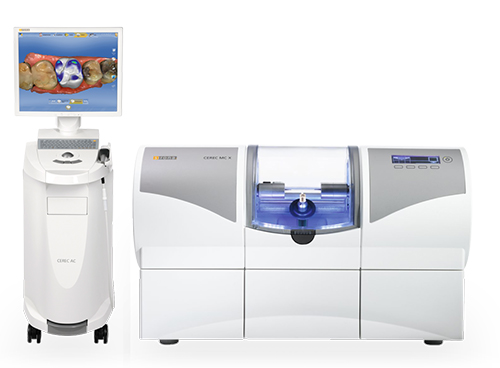
Design tools let clinicians shape margins, adjust anatomy, and simulate how the restoration will interact with the opposing teeth. Once finalized, the design is sent to an on-site milling machine that carves the restoration from a monolithic ceramic block. This direct workflow reduces laboratory variability and shortens the time between planning and placement.
Because the entire process is managed within the office, the dentist can control material selection, shade matching, and final contouring to meet aesthetic and functional goals. The result is a highly accurate restoration with consistent fit and predictable performance.
Durable ceramics and natural aesthetics you can rely on
The ceramics used with CEREC are engineered for strength and lifelike appearance. Advances in material science have produced options that resist fracture while matching the translucency and color variations of natural teeth. When properly designed and bonded, these restorations provide both function and beauty.
Because CEREC restorations are fabricated from a single block of ceramic, there are no layered interfaces that can delaminate. Proper adhesive techniques and occlusal design further protect the restoration and the underlying tooth, helping to maintain oral health over time.
Routine home care and regular dental checkups are all that’s needed to keep a CEREC restoration performing well. The materials are stain-resistant and polishable, and the precise fit helps minimize gaps where decay could start, supporting long-term dental health.
Comfort, predictability, and thoughtful clinical judgment
Patient comfort is central to a successful restorative appointment. CEREC’s digital scanning is minimally invasive compared with some traditional impression techniques, and the reduced number of visits limits the disruption to daily life. Clinical decisions—such as whether a crown, inlay, or onlay is the best choice—are made based on tooth condition, occlusion, and long-term prognosis.
For clinicians, the digital workflow enhances predictability. The ability to preview and refine a restoration on-screen before manufacturing reduces surprises and improves communication with patients about expected results. When adjustments are needed, they are typically minor and can be handled immediately.
At Suezaki Family Dentistry, treatments incorporate these technologies where appropriate, guided by experience and a commitment to preserving natural tooth structure. The goal is to deliver efficient, high-quality care that aligns with each patient’s needs and lifestyle.
Summary and next steps
CEREC represents a modern approach to restorative dentistry: digitally driven, efficient, and focused on delivering strong, natural-looking ceramic restorations in a single visit. The combination of intraoral scanning, precise CAD design, and chairside milling gives clinicians greater control and patients a streamlined experience.
If you’re curious whether a same-day crown, inlay, or onlay is the right option for your smile, our team can evaluate your situation and explain the process in clear terms. We use these technologies to enhance clinical outcomes while prioritizing comfort and tooth preservation.
Please contact us for more information or to schedule a consultation to discuss CEREC restorations and how they might fit into your personalized dental care plan.
CEREC is a chairside computer-aided design/computer-aided manufacturing (CAD/CAM) system that uses digital intraoral scanning, software-driven design, and an on-site milling unit to produce ceramic restorations. The workflow captures a high-resolution 3D model of the mouth, translates that data into a precise restoration design, and mills the final piece from a solid ceramic block. This integrated process lets clinicians complete crowns, onlays, and other restorations without sending work to an external laboratory.
Because the entire process happens in the office, patients can often receive a fitted, bonded restoration in a single visit rather than multiple appointments. Digital design tools allow adjustments for occlusion, contact points, and shade before the restoration is produced, improving fit and aesthetics. Clinical control over material selection and bonding protocols contributes to predictable functional outcomes.
What types of restorations can be made with CEREC?
+
CEREC is commonly used to produce full crowns, inlays, onlays, and veneers from monolithic ceramic blocks. The system can also fabricate small posterior restorations and well-contoured anterior pieces when appropriate. Its versatility makes it suitable for restoring teeth that require strength and natural-looking aesthetics.
Restorations are designed to match a patient’s bite and surrounding tooth anatomy, which helps restore chewing function and protect remaining tooth structure. Because the material is carved from a single block, there are no layered interfaces that might delaminate over time. Clinicians select the specific ceramic material based on the tooth’s location, functional demands, and aesthetic goals.
Who is a good candidate for CEREC same-day crowns?
+
A good candidate for CEREC is a patient who needs a restoration that can be completed in a single appointment and who has sufficient tooth structure to support a bonded ceramic piece. Patients seeking to avoid temporary crowns or those who prefer fewer visits often appreciate the single-visit model. Clinical factors such as extent of decay, root canal treatment, and occlusal forces are evaluated to determine suitability.
Patients with heavy bruxism, extremely limited remaining tooth structure, or complex aesthetic needs may require alternative approaches or additional protective measures. The dentist will assess overall oral health, periodontal status, and opposing dentition when recommending CEREC. Treatment decisions prioritize long-term prognosis and preserving natural tooth structure whenever possible.
What happens during a CEREC appointment?
+
At the office of Suezaki Family Dentistry, a typical CEREC appointment begins with a thorough assessment and any necessary local anesthesia to ensure comfort. The tooth is prepared conservatively, then an intraoral scanner captures a detailed three-dimensional image of the prepared area and adjacent teeth. That digital model is used to design the restoration on-screen, allowing the clinician to refine margins, contacts, and occlusal anatomy before fabrication.
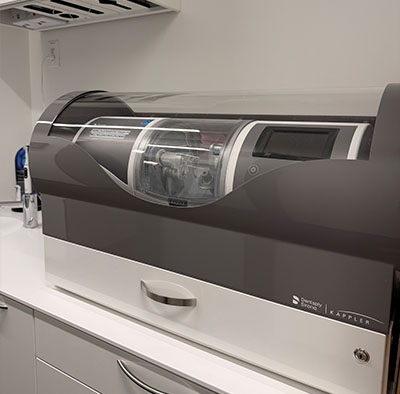
Once the design is finalized, a chairside milling unit carves the restoration from a ceramic block while the patient waits, and the piece is then finished with staining or glazing as needed. The dentist places the restoration using contemporary adhesive bonding techniques and verifies fit, occlusion, and polish before dismissing the patient. Because adjustments can be completed immediately, patients often experience minimal follow-up visits related to fit or function.
How durable are CEREC ceramic restorations?
+
CEREC restorations are made from high-strength ceramics engineered for fracture resistance and wear compatibility with opposing teeth. When designed with proper occlusal considerations and bonded using reliable adhesive protocols, these restorations can perform well for many years. Material selection, preparation design, and patient habits such as bruxism influence long-term durability.
Routine dental maintenance including regular exams and cleanings helps detect early issues and preserves restoration longevity. Ceramic surfaces are stain-resistant and can be polished if needed to restore appearance after years of service. If a restoration does need repair or replacement, the digital records and scans created during the initial appointment can streamline subsequent treatment.
How does digital intraoral scanning compare with traditional impressions?
+
Digital intraoral scanning eliminates the need for traditional impression materials and provides a highly detailed three-dimensional model of the teeth and surrounding tissues. Scans are comfortable for most patients and allow clinicians to review the model immediately, identifying any areas that need refinement before fabrication. Because the data is already digital, it integrates seamlessly with CAD software and in-office milling, shortening the treatment timeline.
Traditional impressions may still be useful in certain complex cases, but the precision of digital scans often reduces the number of post-placement adjustments. Digital workflows also minimize laboratory variability by allowing the clinician to control design and material decisions directly. Ultimately, the choice between digital and traditional methods is based on case complexity and clinical judgment.
Will a CEREC restoration look natural compared with a traditional crown?
+
Monolithic ceramic materials used with CEREC offer lifelike translucency and color matching that can blend well with natural enamel. Advanced shade selection and on-site characterization like staining and glazing help achieve a harmonious result within the patient’s smile line. Because the restoration is fabricated precisely to the digital model, contour and surface texture can be tailored to adjacent teeth.
For demanding cosmetic cases, layering techniques in a dental laboratory may still be preferred, but many anterior and posterior restorations achieve excellent aesthetics with CEREC materials. Dentists balance aesthetic goals with functional requirements when recommending a fabrication approach. Patient expectations are reviewed and managed through visual previews and in-chair design discussions.
What are the limitations of CEREC and when might it not be recommended?
+
CEREC may not be recommended when a tooth has insufficient remaining structure to support a bonded restoration or when extensive laboratory customization is required for complex aesthetic cases. Severe bruxism or unusual occlusal patterns can increase the risk of fracture unless protective measures like occlusal guards are in place. Large-span prosthetics or multi-unit fixed bridges generally require traditional laboratory workflows and cannot be produced chairside.
Cases that involve extensive porcelain layering for nuanced color transitions or delicate facial anatomy may benefit from a lab technician’s expertise. The clinician will discuss alternatives and weigh factors such as long-term prognosis, function, and cosmetic priorities with each patient. Selecting the appropriate restoration method is a decision based on clinical assessment rather than a one-size-fits-all approach.
How should I care for my CEREC restoration after placement?
+
Caring for a CEREC restoration is similar to maintaining natural teeth: practice good oral hygiene with regular brushing and flossing and attend routine dental checkups. Avoiding exceptionally hard or sticky foods and addressing parafunctional habits like nail-biting or ice chewing helps reduce stress on the restoration. If you have bruxism, your dentist may recommend a nightguard to protect both the restoration and your natural dentition.
Regular professional cleanings and periodic radiographs allow the dentist to monitor margins and adjacent tooth structure for early signs of decay or wear. Minor surface wear or staining can often be polished in the office, while more significant issues may require repair or replacement. Prompt attention to any sensitivity, chipping, or changes in bite preserves oral health and extends the restoration’s service life.
How can I find out if CEREC is right for my smile?
+
To determine whether CEREC is the right option for your smile, request a clinical evaluation where a dentist will review your dental history, current oral health, and treatment goals. Imaging, intraoral scans, and diagnostic records are used to assess tooth structure, occlusion, and aesthetic needs so the clinician can recommend the most appropriate restorative path. A clear explanation of the process, expected outcomes, and any necessary follow-up care will help you make an informed decision.
If you are in San Jose and would like to learn more, the team at Suezaki Family Dentistry can perform an evaluation and explain whether a same-day crown, inlay, or onlay is suitable for your situation. They will describe the steps involved in a CEREC appointment and show you any digital previews available from the scanning process. Scheduling a consultation is the best way to receive a personalized treatment plan based on clinical findings and your preferences.